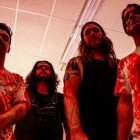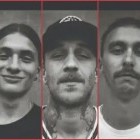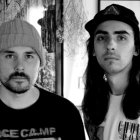
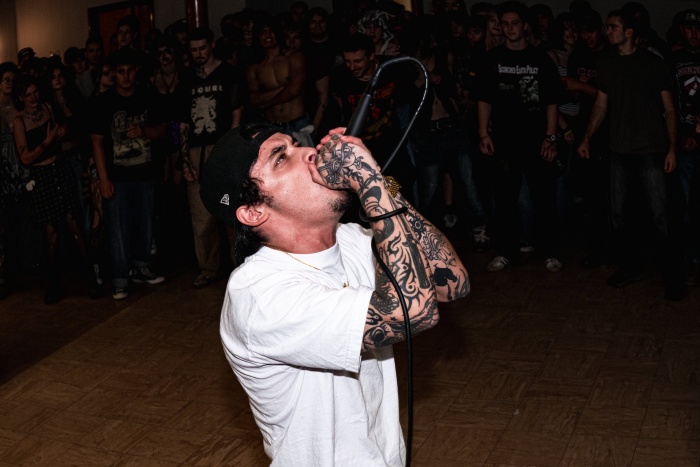
Formed in 2020 during the COVID-19 pandemic, Outta Pocket began when vocalist Leo and the band's original guitarist, Chris, decided to start something new after their previous band, Scumdog, fell apart. After discovering drummer Dylan on Instagram, where he posted Hands of God covers, the three began writing what would become the band's first demo.
The members came from different parts of the country: Leo grew up in Redwood City; Jarrett, the touring bassist and guitarist, and Sam, the stay-at-home recording guitarist, were in San Jose; Dylan was in Walnut Creek; and Ty brought an East Coast perspective from New Jersey. Ty eventually joined after touring with his previous band, Fool's Game, turning Outta Pocket into a coast-to-coast operation.
Along with their diverse backgrounds, the band's sound was heavily shaped by the thriving Bay Area hardcore scene. Local bands like Hands of God, Drain, and Gulch provided an early blueprint, while the older musicians in the area offered something to aspire to. Dylan particularly admired guitarist Mike Durt, whose involvement in numerous Bay Area bands made him an important figure in the local scene.
"Having good bands to look up to as your oldheads is the coolest thing ever," he explained. Beyond the local scene, groups like King Nine, Blood for Blood, Neglect, and Ten of Swords helped shape the band's musical and lyrical direction. Their sound isn't simply the product of musical influences, but also of growing up surrounded by a community that made hardcore worth dedicating themselves to.
That sense of community became particularly crucial during the pandemic. While COVID temporarily brought live music to a standstill, it also created an unusual period of anticipation among hardcore fans. Ty, who was becoming involved in the scene around that time, described how the eventual return of live shows helped propel hardcore into a new era.
"People waiting around to go to shows and missing it that much, plus the kids discovering hardcore online during that time, made it so when the shows did eventually come back, it jolted hardcore." The combination of pent-up excitement and a new generation of listeners discovering the genre online helped push hardcore into the spotlight.
Social media has since become one of the biggest forces shaping the scene, for better and worse. Platforms like Instagram and TikTok have made hardcore easier to discover than ever before, but watching a few concert videos is hardly the same as being there. "You can't really talk about what goes down at hardcore shows from your phone," Ty explained.
Hardcore is not something that can be fully understood through a screen. The music, the physicality of the shows, and the relationships between people are all part of the experience. Social media might introduce someone to the genre, but attending shows is what makes them part of it.
The scene has changed considerably since Outta Pocket first formed. The Bay Area has seen a new generation of younger musicians emerge, many of whom were once the same kids standing in the crowd watching their favorite bands. Now, they are starting bands of their own and carrying the scene forward. However, hardcore's growing popularity has brought its own complications.
With more people involved, the culture has become increasingly visible, and sometimes that visibility comes at the expense of its authenticity. Ty pointed to the commercialization of hardcore and the growing emphasis on social media as factors that can water down the values that originally made the scene meaningful. Jarrett put it more simply: "It feels a little less authentic sometimes, especially with how many cameras can be around now."
There is something inherently contradictory about preserving an underground culture while simultaneously wanting it to grow. Hardcore needs new people to survive, but it also needs people who understand what they are getting involved in. The growing popularity of the genre has attracted plenty of newcomers, but not everyone is interested in the same things that originally made hardcore special.
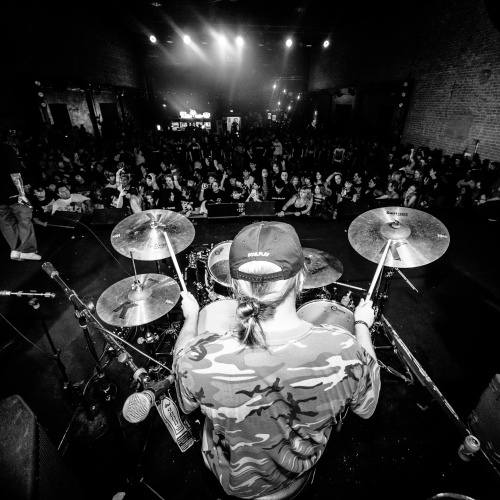
For some, it has become another aesthetic to adopt or another online community to associate with. For others, it remains a place to find friendship, purpose, and an outlet for frustration. As Dylan explained, hardcore's increasing accessibility is a double-edged sword, but the fact that it can inspire someone from "the middle of nowhere" to start a band and keep the scene moving makes that growth worthwhile.
Importantly, popularity does not necessarily come at the expense of authenticity. Outta Pocket has experienced its own growing success, and Dylan recognizes the importance of larger bands introducing new listeners to the genre. "In a way, we are a gateway band; a lot of kids come up to us and tell us that we're the first hardcore band they ever listened to."
Those listeners eventually discover smaller bands, start attending local shows, and sometimes form bands themselves. Rather than undermining hardcore, a successful band can become the starting point for someone else's involvement in the scene. Furthermore, years of dedication and genuine passion do not suddenly disappear when a band starts playing to larger crowds.
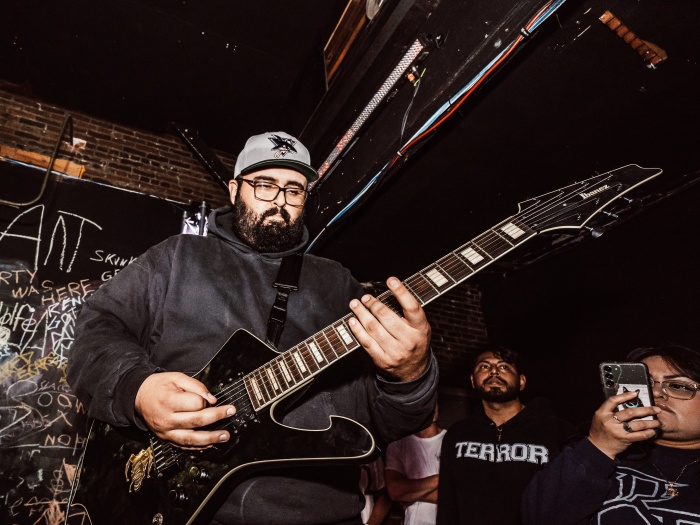
"I think that heart shines through anything," Dylan remarked when discussing authenticity. Ultimately, authenticity has little to do with popularity, appearance, or how many people recognize your band's name. It comes down to whether you genuinely care about the music and the community surrounding it.
Hardcore has always been built around participation, and that means contributing something of your own rather than simply adopting an identity. Whether someone has been attending shows for ten years or just discovered the genre last week, what matters is what they bring to it.
When asked what advice they would give aspiring musicians, the members offered a fairly straightforward answer: get involved, go to shows, and start playing. Leo encouraged young musicians to release music they genuinely enjoy rather than simply being excited about having created something. Ty emphasized that musicians should not be discouraged by their first attempts, explaining that most people's first bands are unlikely to be particularly impressive. What matters is the experience of creating something with friends and getting the opportunity to perform it.
Dylan offered perhaps the most direct advice: "Don't half-ass it." He believes that commitment is what separates people who genuinely want to contribute to hardcore from those simply chasing a trend.
"Put your all into it, don't fake it, don't rush it, don't cop out on trends; make it authentic, make it yours." There is no shortcut to becoming part of a scene, and there is certainly no substitute for putting in the time. Go to shows, start a band, make mistakes, and figure things out along the way. More importantly, make something because you actually care about it, not because you think it will make you popular.
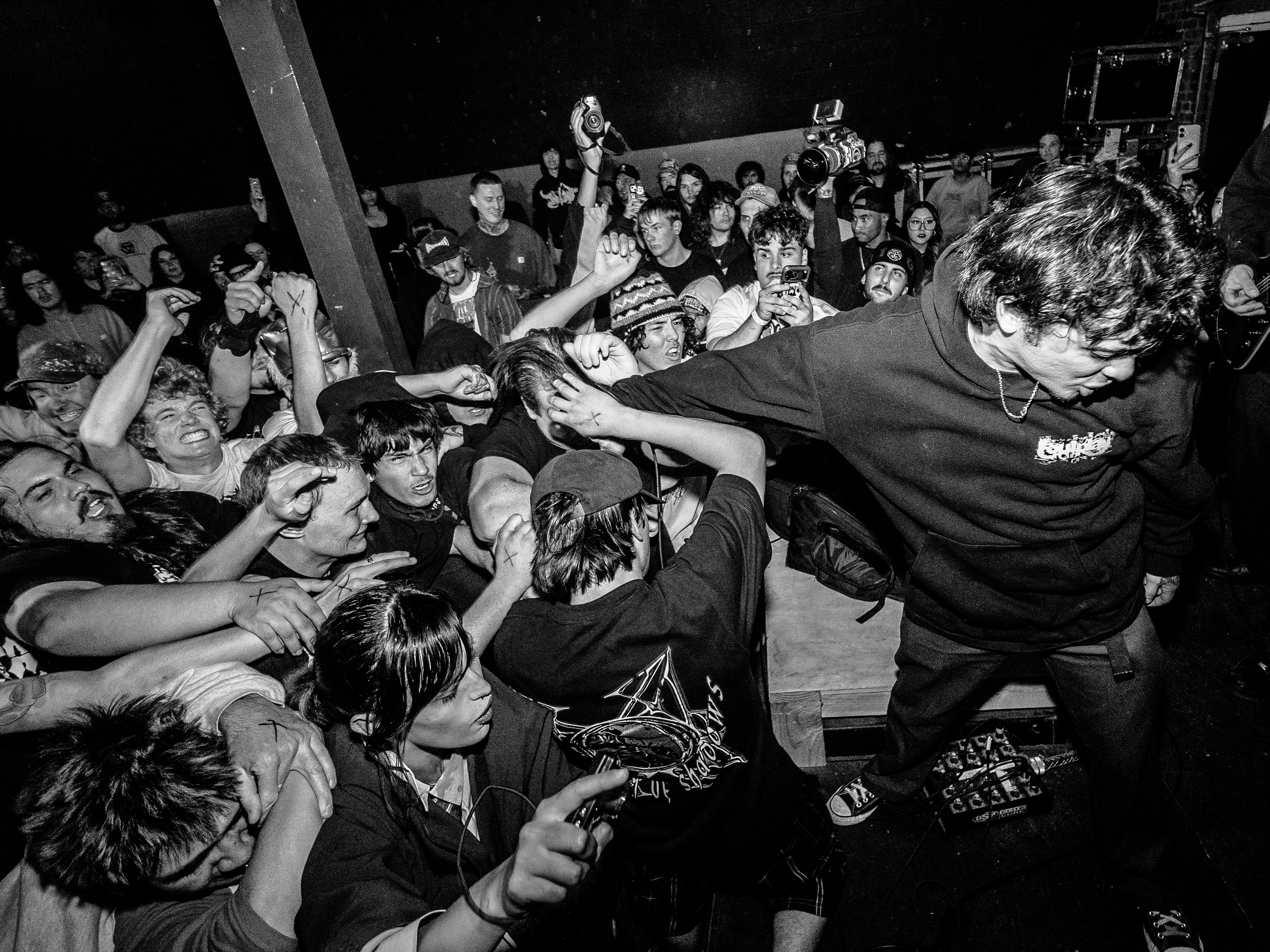
As the interview came to a close, the conversation returned to a question that seemed to summarize everything discussed: What does hardcore mean to you? For Ty, it was everything. Leo described it as the missing piece that made his life feel complete. Dylan, however, offered a simpler answer, referencing the title of a classic 25 ta Life record: "Friendship, loyalty, commitment." Three words that, perhaps more than anything else, capture what keeps hardcore alive.
Trends will come and go, bands will rise and fall, and the scene will inevitably continue to change. But as long as people remain committed to the music and the community surrounding it, there will always be someone willing to pick up a guitar, start a band, and keep the whole thing moving.
***
Outta Pocket on social media: Instagram
Tagged: outta pocket