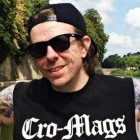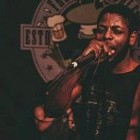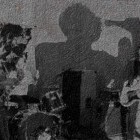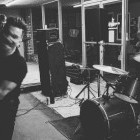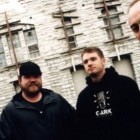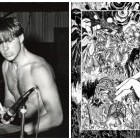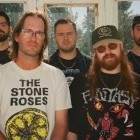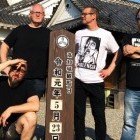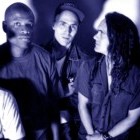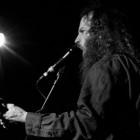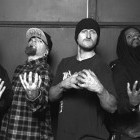
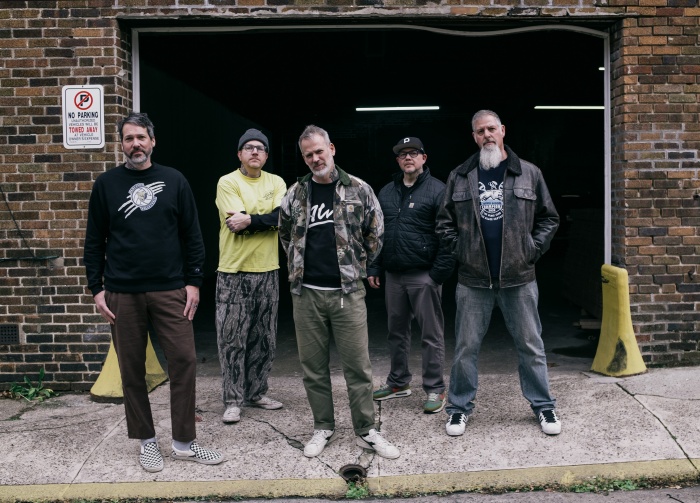
For a band that never quite fit neatly into the hardcore landscape of its original era, Brother's Keeper returning in 2026 somehow makes perfect sense.
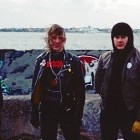
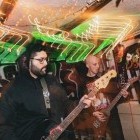
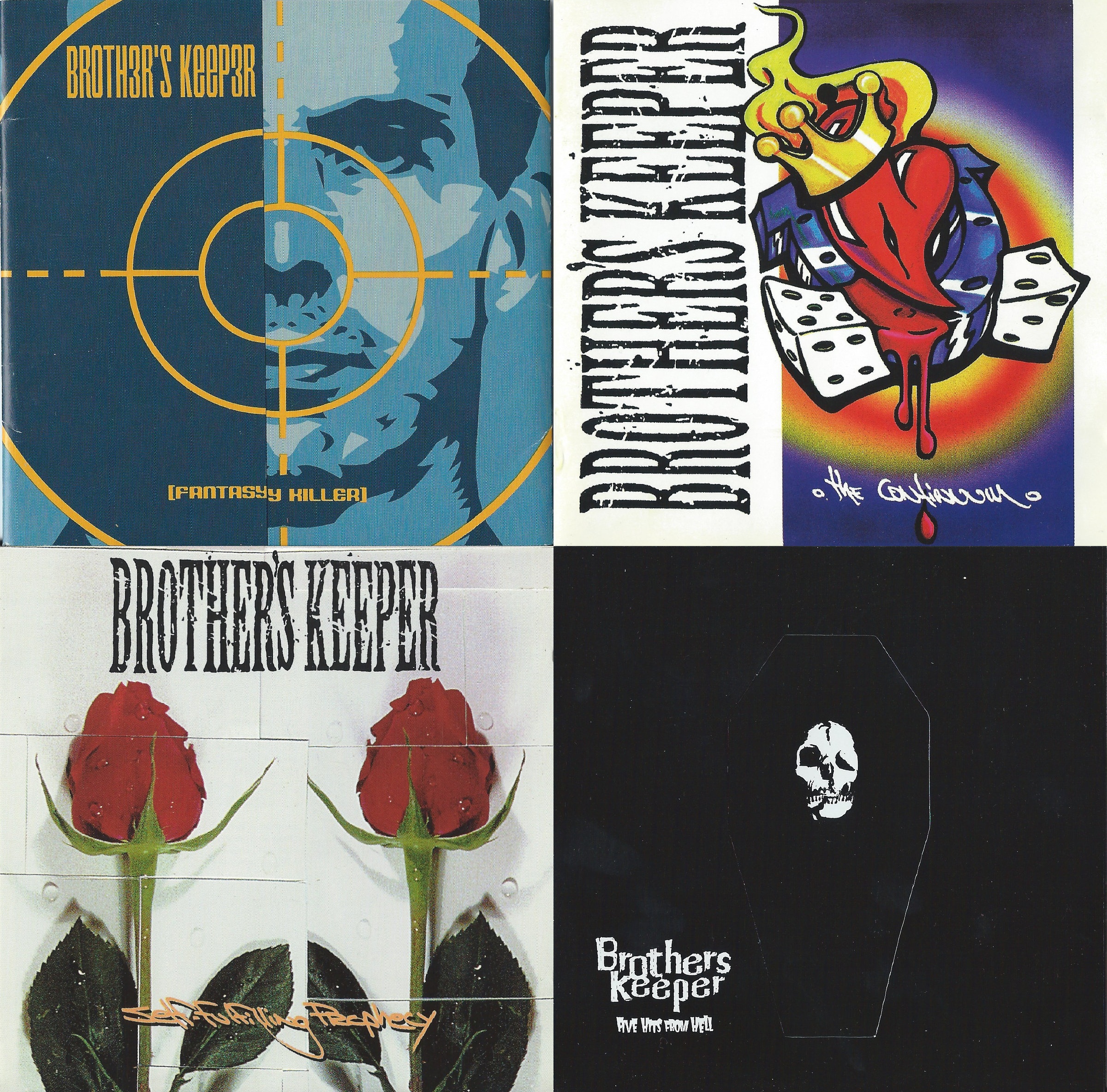
The Erie, Pennsylvania band emerged from the city's storied Lake Effect Hardcore scene in the '90s, occupying a space somewhere between hardcore, metalcore, and post-hardcore while building an identity that could be as polarizing as it was unmistakable. Brother's Keeper released their first LP, The Continuum, in 1996 and closed out their original run with Fantasy Killer in 2001, both through Trustkill Records.
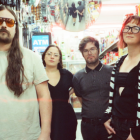
Now, more than two decades after their final shows, vocalist Mike Ski, guitarists Scott Emhoff and Chris Bazan, bassist Eric M. Schaufele (EMS), and drummer Bobby Williams are giving Brother's Keeper another chapter. The timing carries some symmetry: 2026 marks the 30th anniversary of The Continuum and the 25th anniversary of Fantasy Killer.
More importantly, this isn't simply a matter of dusting off the old songs for a reunion show. Brother's Keeper have returned with their first new music in 23 years, including "Asymmetrical War Flair," featuring Drug Church vocalist Patrick Kindlon, and will play their first show since 2003 this October in Erie. And according to Ski, there's considerably more to come.
No Echo spoke with Ski about why Brother's Keeper are back, finding his voice after decades of criticism, the band's complicated place in hardcore history, the rise of Lake Effect Hardcore, and why this reunion is turning into something much bigger.
Let's start with the obvious—why now? What led to Brother's Keeper coming back in 2026, and why did it feel like the right time to do it?
First, thank you so much for the opportunity to be here and for all that you do to support hardcore music and community!
The truth is, I don't think any of us thought we would ever get back together.
A couple of years ago, I went to see my friends in Hawthorne Heights play in Philadelphia. Their drummer at the time, Poppy, mentioned that his son was super into hardcore and was asking about Brother's Keeper. He and his friends were really excited to discover lesser-known bands from the '90s and dig deeper into the layers of the music and the scene.
I found it surprising, but also fascinating and inspiring, that a new generation was so thoughtful and interested in the era's nuances, Influences, stories, and the dusty corners of hardcore music and culture's ongoing evolution. It reminded me of when I was young and eager to discover something of my own—a record none of my friends had heard yet —and to be the one to show it to them.
As I kept thinking about it—this was back in early 2025—I realized 2026 would be both the 30th anniversary of our first LP, The Continuum, and the 25th anniversary of our final LP, Fantasy Killer, both released on Trustkill Records. I thought about it over and over and concluded that IF we were EVER going to do it, 2026 was the time.
Keep in mind, at this point, the last time we were all in a room together at the same time was Eric's wedding 22 years ago.
While we never had any major falling-outs within the band, with the amount of time that had passed and major life changes like having kids, moving geographically, etc., we had fallen out of touch to varying degrees. I think that distance created this idea that we weren't friends anymore.
I was making a trip back to Erie to visit family and decided that I was determined to get ALL of us to hang out. I reached out to Eric and Bobby, and word got around to other old friends. It was an amazing and fun time catching up with everyone, hanging out until 3 a.m., laughing, and telling old stories. It really felt good. Soon after, Chris and I made a similar trip back to Erie together. We both felt really at home with old friends.
It wasn't until a couple of months later, after much toiling over the idea, that I started calling everyone and posed the question. Every single call, they were like, "This is crazy. I would never have thought we might do this." Eventually, everyone gave a reluctant yes, and we began to set some loose parameters.
We'd practice. If it felt good, we'd keep going.
The other tenet was that we wanted to have fun and do things on our own terms.
For real, I was nervous as hell making the seven-hour drive to Erie for the first practice. I kept thinking about it, imagining how it might sound, IF I could even do it. I hadn't sung out loud since The A.K.A.s' last show in 2009. I hadn't written a song, recorded—anything. I literally thought, "What if I open my mouth to sing and it just cracks and nothing comes out?"
I think we all shared the same anxious apprehension. After rolling into the practice space, we hung out for a bit and caught up, then started playing. It felt so awesome and sounded surprisingly good. The songs even sounded fresh and new. I had forgotten how cathartic it is to yell your fucking face off, and I think that was a huge part of why it felt timely.
I really needed that.
I never felt like a musician, but I have felt compelled to make music throughout my life as a release and a reaction. With all that is going on in the world and in my life, I just felt everything building up inside me, and I couldn't contain it anymore. Hardcore has always been the place for me—and us—to do that.
At that point, the motivations felt justified: Celebrate. Hang out with friends. Have fun. Make something awesome together, and maybe get to jump on some heads if we're lucky.
You're returning with your first new music in 23 years. "Asymmetrical War Flair" has an anthemic, gang-vocal vibe. The driving '90s, kind of post-hardcore-ish rhythmic thing reminds me a bit of Orange 9mm. What can you tell us about that track, and how it connects—or doesn't—to what Brother's Keeper was doing back then?
We decided pretty much on day one that we didn't want to just show up dusty and play a show. We wanted to write new music. I said right off the bat, IT JUST HAS TO FUCK.
While we had explored a fair amount musically back in the day, we felt strongly that overanalyzing it or worrying too much about it would be the death of it. Just write a Brother's Keeper song in 2026. I think we definitely did that, and the feedback we've received is exactly that: "Sounds like Brother's Keeper, but new."
The song practically came out like a sneeze and came together fast. With the benefits of GarageBand and modern technology for sharing ideas, we passed it around and had a demo very quickly.
I feel the new song connects directly to what we were doing at the time. For me, it really proves that the path we were on was unique not only for the era, but hearing it with modern production, adult chops, and a fair amount of self-reflection and awareness, the sound and overall package remain unique.
When the time came to record the studio version, we were really excited about the possibility of inviting a guest to sing on it. A huge part of the problem was that we were still keeping the entire project very secret. We thought, "How cool would it be if there was some awesome singer in a rad band that we love who liked the band back in the day?"
We shared lists of people, and I was like, "No way am I gonna just hit these people up."
Eric texted me one day and said that Patrick Kindlon, singer of Drug Church, was following the Brother's Keeper Archive page on Instagram. We thought, since he didn't really follow a ton of accounts, maybe he actually liked the band?
I mustered up the courage to send him an email. I said, "This is all very presumptive, so if for some reason we are out of pocket here, please pretend it never happened."
He responded that he was "a longtime fan of the Keeper and would love to sing on a new track." He was on our short list, and Drug Church was also on our reference playlist for "amazing production." We are so grateful that he lent his talents to the song.
We are really blown away by the support for the new track. I encourage everyone to listen with no preconceptions.
I actually dare you.
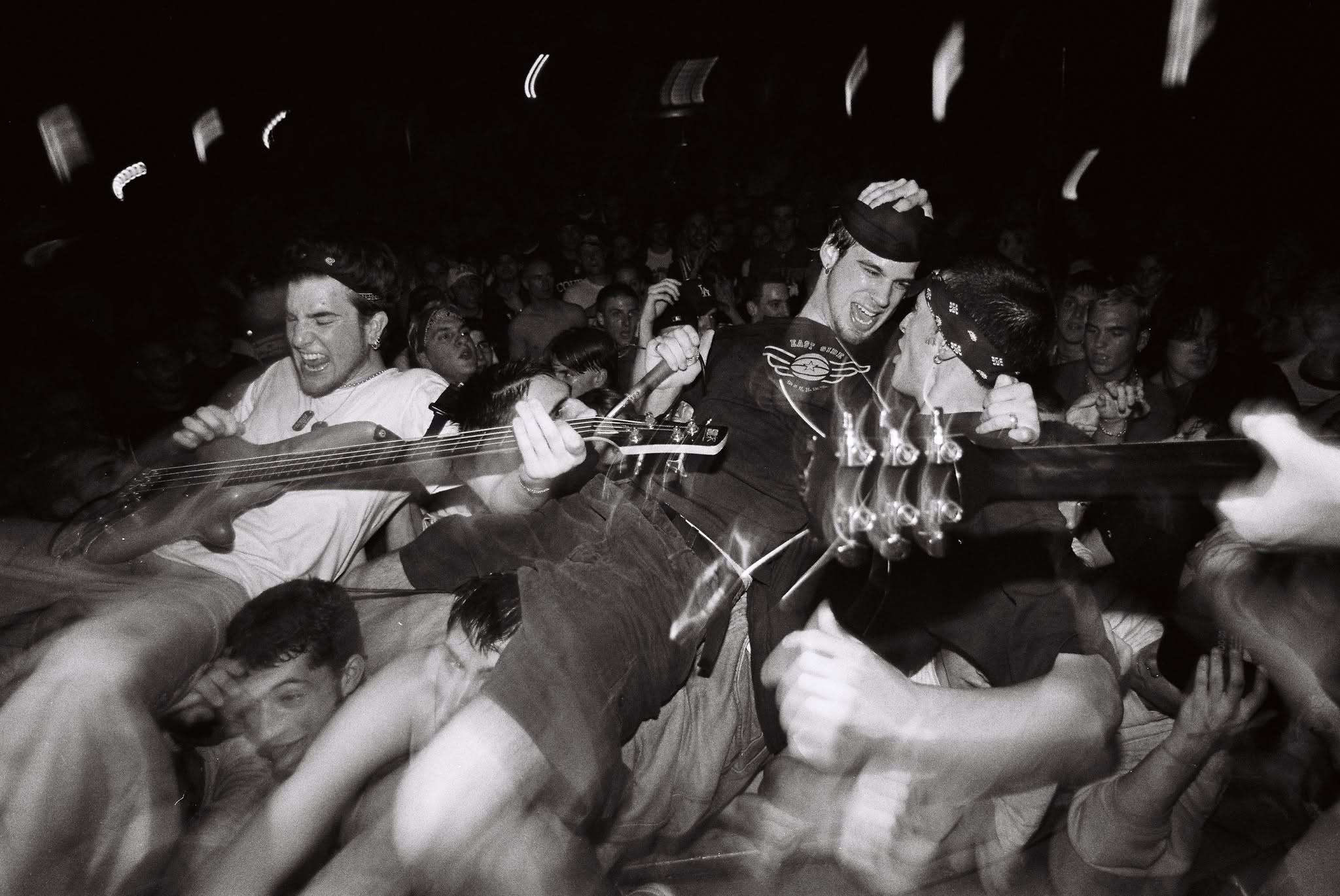
Looking back, where do you think Brother's Keeper fits into that '90s/early-2000s era of hardcore and metalcore? What made the band stand apart at the time?
In short, we really didn't fit in. We never did.
While at times we wore our influences on our sleeves, we represented a sliver of a scene in between hardcore and metalcore. Part of the reason we stood apart was that we came up in a time when all different types and genres of bands would play together all the time, especially in our hometown. We soaked all of it in and pulled a little bit of inspiration from everything.
The result was that we weren't Youth Crew or NYHC enough, but we were too heavy and hardcore for the more punk or post-hardcore scenes that were happening at the same time. It was a constant struggle, actually. There was a constant squeeze to put it into a box and slap a genre on it, but we were constantly pushing and pulling away from that because we thought it was something different and just wouldn't concede.
We purposefully continued to tour with different types of bands like BoySetsFire, Disembodied, etc., thinking that it was more interesting. But at the end of the day, we were perhaps too stubborn or too naive to give in to one thing or the other.
When metalcore as we know it was happening, I thought it was really interesting. I love hardcore. I love metal. When things started intersecting with the internet and Hot Topic, and there was a really noticeable shift in the direction of the "scene," it became something I struggled more and more to identify with. There was a sense of homogenization and a race, and the small bit of hardcore-kid purism left in me at the time rejected it.
While we were constantly reacting musically and culturally, it felt more and more like we were in the corner—or a corner in another room of a house down the street. For better or worse, we stayed there. I think the right people understood and appreciated it for the nuance that made it special and unique.
In 2026, the world is definitely in an exciting era of "post-genre" music culture. We're still in that same corner of a room and still feeling unique, strange, and misunderstood.
I suppose that's where we've always felt most at home.
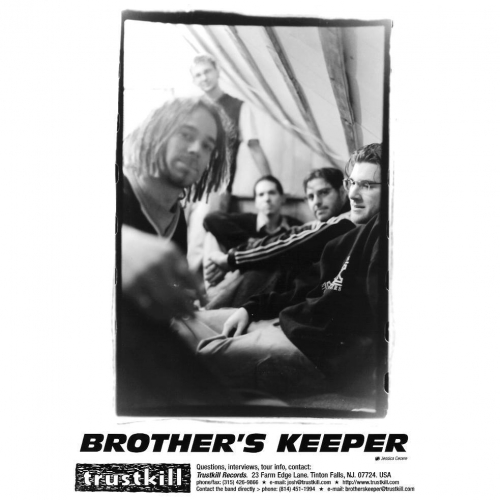
Your vocal style has always been described as unique—even polarizing. Did that ever feel like a hurdle, or did it help shape that underdog identity the band carried? Your vocals on these new tracks are definitely a different direction from the first chapter of the band.
There's a lot to say about the context of what was going on musically and vocally at the time in which we were most recognized.
For the most part, I have a weird voice, even when I speak. However, that never kept me from having something to say. In the early recordings, I was literally trying to find my voice. You can hear it from record to record. There was no "pre-production" or demos. It was straight to tape.
We were surrounded by very tough-sounding bands with very low and gruff voices. I love a lot of those bands. I had been in bands early on that were more "tough" sounding, but it just wasn't reflective of my personality or the band's vibe or mission. We were angry and impassioned, but I just didn't feel that I needed to try and sound "mean." We were known for a positive and uplifting presentation and spirit, and the higher vocals definitely stood out and supported that.
I do admit, it got to a point where it was hard to hear. Nevertheless, it was my voice, and it was different from what everyone else was doing. Does sacrificing being listenable for being different make a lot of sense? Perhaps not.
But an important lesson I have learned in my life is that the most dangerous thing you can do in this world is to be yourself. And that's what was important to me—and the band.
This was also a time when hardcore records were not necessarily made to "sell." They were made because you felt compelled to make something and put it out into the world. Therefore, being "liked" was not as much of a priority to me. I felt like if 99 out of 100 bands sounded alike, it was mandatory for us to react.
Say what you want about it, but it connected with the right people who got it for the right reasons, and I'm proud of that.
I'll further admit that it was character-building. We remained a band with an underdog spirit because we always did—and continue to do—what we felt and what we wanted, despite facing a lot of criticism that still follows us decades later.
To that, I say: I am me, and I still have something to say. That seems to really bother some people, which may be exactly the fucking point.
I'll say one last thing. For every time I felt my stomach sink, every time I read a scathing review or was the butt of a joke, I think of one compliment I received.
In 2009, The A.K.A.s were recording our final LP, Animal Summer, with producer Jamie Woolford. He had been in a band called The Stereo on Fueled by Ramen Records, and this motherfucker could sing perfect five-part harmonies. He had the voice of an angel.
When I was recording, he was encouraging me in a way I had never experienced. I admitted to him that I was self-conscious about my voice and that I never felt like a musician. I told him, "I wish I could sing as well as you."
He told me, "Anyone can learn to sing well, but more importantly, your voice has character. Nobody can teach you that. You either have it or you don't."
I'll never forget it.
On our last LP, Fantasy Killer, you can definitely hear me landing in my vocal zone. I went on to record three full-length records after Brother's Keeper in the aforementioned band The A.K.A.s. Nearly 50 songs later—and at 52 years old—this is my voice.
How do you view the band's legacy now, especially with how much hardcore has evolved? Do you hear any of that Brother's Keeper DNA in current bands?
Like I said before, we never thought we would ever get back together. For decades, any mention of the band online was followed by a barrage of silly disses and clowning. So much so that I really just stopped looking or paying attention at all.
As time went on, friends would send me little clips and be like, "Jamey Jasta mentioned you on a podcast," or Toby Morse, etc. And it was always in reference to Knocked Loose. Someone sent me a screenshot of a post that said, "So I'm watching Knocked Loose playing Coachella, and I can't help but think how hard everyone's been on Brother's Keeper since they were basically doing this 30 years ago, LOL."
To be clear, we don't buy into that idea at all. But it did get me to listen to Knocked Loose, which, in turn, got me excited and inspired about the same thing that I loved doing before: pushing genre boundaries and doing something new and fresh.
I started looking at some of the comments on posts, and I was surprised to see how much shit people give him for his higher vocals. In some strange way, that made me feel a kinship and gave me some courage about the Brother's Keeper project.
We felt that perhaps there was more context for us to be doing our thing in 2026 than there was in 1996. There are so many amazing bands doing cool stuff, and people are more open-minded and listen to a lot of types of music.
I've heard us compared to other modern bands for the grooves and riffs, too. Turnstile is one that comes up often. Again, we don't take it literally as though we influenced them directly. But it's kinda crazy going from being called one of the worst bands in hardcore to being compared to two of the biggest bands out there right now.
As far as the band's legacy, I think we're remembered for the hard work we put in, the contributions we made to the scene, and the relationships we carried. Between our members, we had three zines, a distro, a record label, and nearly a decade of collectively promoting shows in Erie.
We booked full U.S. tours by ourselves, and if you grew up anywhere within the tri-state area, you know that Erie shows were fucking legendary.
Brother's Keeper spearheaded the famed Lake Effect Hardcore scene of the '90s. What do you think made that community, and its bands, so special?
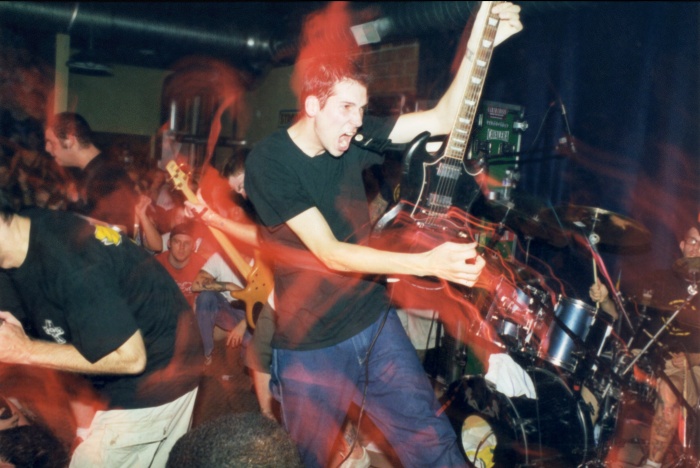
The Erie scene in the '90s was such an interesting phenomenon.
For those not familiar, Erie was a gritty, working-class Rust Belt city on the northwestern tip of Pennsylvania. If you went in one direction for 20 minutes, you were in New York State. If you went 20 minutes the other way, you'd be in Ohio. North of us was NOTHING until you hit Canada.
The wind ripping across Lake Erie would hit land and send the windchill well below zero. This toughness is where the name "Lake Effect Hardcore" came from.
We were two hours from Buffalo, two hours from Pittsburgh, and two hours from Cleveland. While there was a small, dedicated, eclectic punk, metal, thrash, and indie scene in Erie, we were used to having to work for what we got. It was a "tertiary market" that was often skipped over by touring bands. A relentless spirit was the first ingredient that made the scene so special.
There was not a lot to do in Erie. Shows were very much looked forward to and appreciated. At the point when things started to pick up, everyone wanted to be a part of it. Everyone did something.
We had a crazy system for promoting shows. Our friend Brian's mom worked in the print shop of a local school. We would drop off a flyer, and she would print 5,000 copies of it on all different colors of paper. We would drop off huge stacks at about a dozen spots, and the next day they would be gone. People would pick them up and take them to their school, work, etc. We would go to the mall, and the rule was: Give a flyer to anyone.
If someone dropped our flyer or crumpled it up, I'd pick it up and give it to them again. We were respectful but firm. I would tell a kid, "This will change your fucking life." And then I'd see them a couple of weeks later at a show, mind blown, drenched in sweat, happy as hell, smiling ear to ear. We introduced hundreds of kids to their first-ever hardcore show. And they came back. It kept growing and growing.
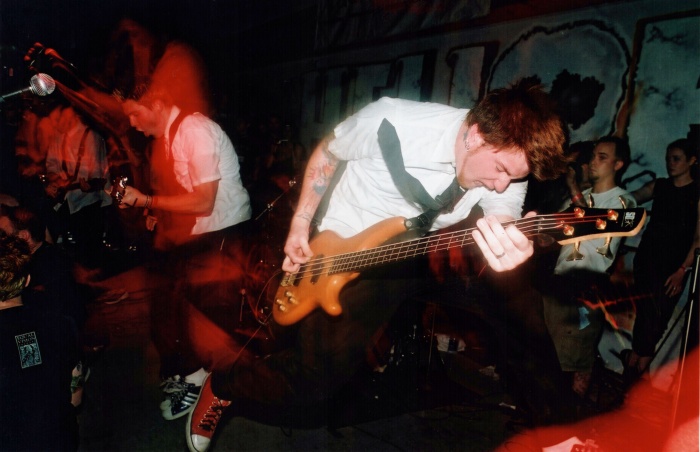
Another very special thing was that nobody was selfish about it. While we were all young and trying to prove ourselves, generally everyone wanted the scene to thrive and survive. There was a really positive vibe at the shows. Stage diving, sing-alongs—people would dance hard, but I could count the fights at shows in Erie on one hand.
Nobody wanted to be the reason we lost a venue or had the cops come. You would never live it down. Because of our proximity to these other great scenes, we would have bands like Integrity, Face Value, Snapcase, Slugfest, etc., play Erie regularly, and the scene became a Voltron-like scene for the region and a way for us to trade shows with bands.
The local bands were so strong. Everyone was eager to support. Eric had a small record label called Surprise Attack (SA Mob). He started releasing 7-inches and demos for bands. I would do the art, he would put the record out, and next thing you knew, bands like Disciple, Shockwave, Digression, Neverfall, etc., would headline over Victory Records bands in Erie.
Again, to recap: It was a truly selfless and collective spirit that made Erie such a special place to grow up and be a part of the hardcore scene.
You've announced a reunion show in Erie, PA, which feels like a fitting stage for this kind of return. What do you want people—both old fans and newer kids—to take away from seeing Brother's Keeper in 2026?
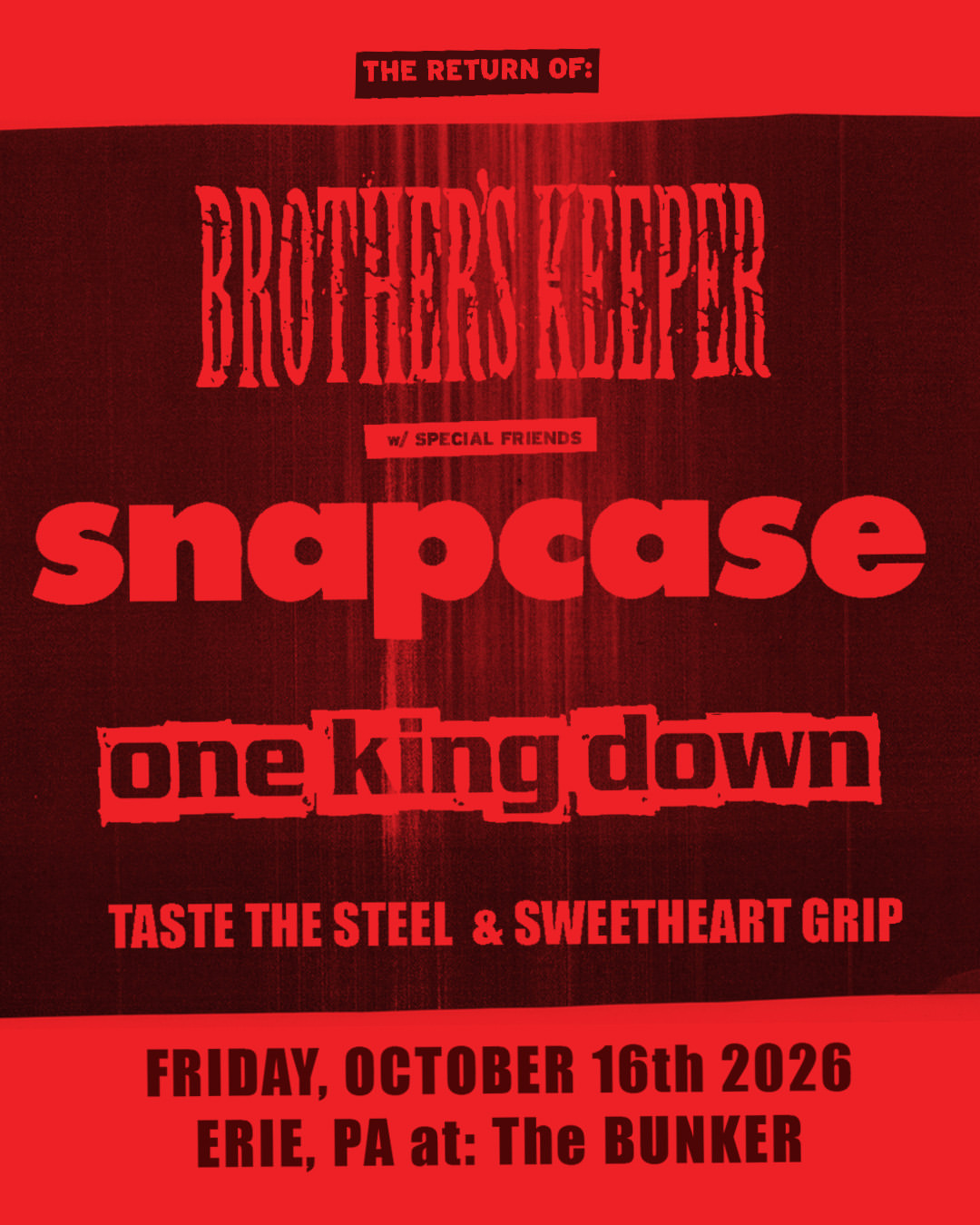
It's true. Hot off the press. We'll be playing our first show since 2003 in Erie, PA, on October 16-17 with some very special friends. The lineup is stacked.
For our old friends, I'm really just excited to be in the same room with familiar faces after so many years. I'm so grateful for the opportunity to still be connected to these great people, amazing memories, and, of course, the music.
I hope they can feel the same energy we all shared in these rooms 25 years ago—sing along, stage dive, and have a fun time jumping off shit.
For newer kids, we are most excited to have the chance to play for them and introduce them to our brand of positive hardcore.
Bring your friends. Learn the words. Sing with me. Jump off the stage. Invite someone who's never been to a show before.
LET'S FUCKING GO.
There's more on the horizon beyond the show and the single. Without giving too much away, what can you tease about what else is coming?
It's true. This is not just a reunion.
We've got really exciting announcements coming. We will be doing drops every Friday from now through September. Make sure to listen. Follow. Share. Playlist. Repeat.
Thanks so much to everyone for taking the time to read about us, and thanks again to No Echo for the amazing support.
See you in October.
***
Brother's Keeper on social media: Instagram
For more info, visit TellYourFuckingFriends.com
Tagged: brothers keeper