Since writing my piece on Christian hardcore last week, I've been in a nostalgic mood, thinking about other corners of hardcore that fascinated me during the '90s.
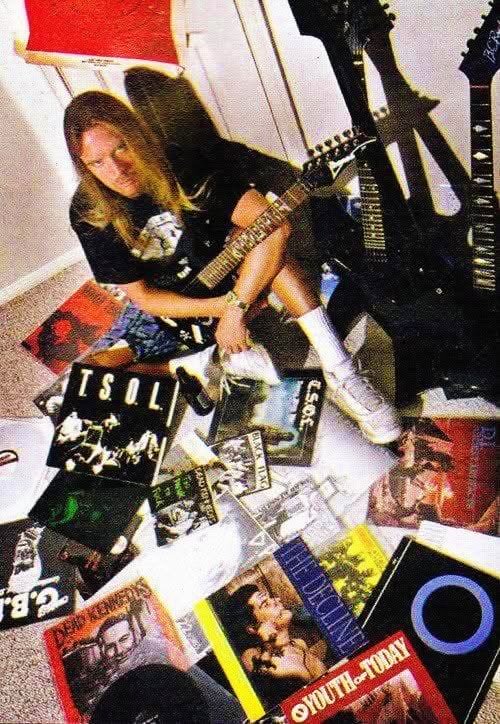
One thing that's easy to forget now is how much detective work went into discovering underground bands before the internet. Magazines like Metal Maniacs, Kerrang!, Metal Forces, and Metal Mania covered bands from Sweden, Norway, England, Germany, and beyond. MTV's Headbangers Ball played everything from King Diamond and Helloween to Kreator.
Hardcore was a different story. Outside of a handful of bands like Sick of It All, Agnostic Front, and Cro-Mags, MTV and music publications largely ignored hardcore. When the scene did attract mainstream attention, it was often because somebody got beaten up, skinheads were causing trouble, or slam dancing gave a reporter something sensational to write about. If you actually wanted to know what bands were worth hearing, you had to put on your detective hat.
Zines were crucial, as was trading tapes with people around the world whose addresses and want lists circulated through the scene. Trading tapes with people around the world was essential, with addresses and want lists moving through the scene. Record reviews, distro catalogs, flyers, and especially the thanks lists and liner notes on records pointed you to new bands. Sometimes just seeing an unfamiliar band shirt in a magazine was enough to start the search.
“Sean from Vio-lence is wearing a shirt from some band called Verbal Abuse in one of the live shots in this Metal Forces article. I gotta find out what that band's about!”
That kind of shit happened all the time, and it was part of the fun. One clue led to another, and once you found a tiny, one-person-operated label specializing in a particular sound or region, you had struck gold. Suddenly, one obscure 7" could lead you to five other bands, another label, a zine, and eventually an entire scene you didn't know existed.
If you're looking for an early entry point into what European straight edge hardcore would become, the Netherlands is as good a place as any. By the end of the '80s, American bands like Youth of Today, Gorilla Biscuits, Uniform Choice, and others had made an obvious impact overseas. Youth of Today's 1989 European tour was especially important, but European kids weren't simply waiting around for Americans to show them how to do hardcore.
The Netherlands already had a strong DIY punk tradition, and members of the influential Dutch band Lärm would help connect that world to the emerging straight edge scene. After Lärm ended, several members formed Profound, one of the first European bands to embrace the sound and ideas of the late-'80s American straight edge revival. Their 'Integrity' 7" came out in 1989 through Peter Hoeren's Anti-Schelski Records, just as he was changing the label's name to Crucial Response Records.
When I started digging into Euro hardcore in the early '90s, Crucial Response would become one of the labels I learned to trust. If I saw its name on a record, there was a pretty good chance I wanted to hear whatever was inside. Hoeren had started the label in Germany in 1987, and from the beginning, the DIY side of hardcore was as important as the records themselves. His influences included Dischord, X-Claim, Touch & Go, Schism, and Revelation, but he made European bands the primary focus of Crucial Response.
Profound soon evolved into ManLiftingBanner, marking a clear turning point. The American straight edge sound remained at the core, but the band pushed their message further, going beyond the standard themes of loyalty and unity that defined much of the scene. ManLiftingBanner made their communist politics explicit, with tracks like "Commitment to Communism" and "New October" making their stance unmistakable. Their Myth of Freedom 7" came out on Crucial Response in 1991, with Ten Inches That Shook the World following in 1992.
That combination of straight edge, DIY hardcore, and radical left-wing politics would become one of the things that made parts of the European scene feel different from what was happening in the United States. The musical inspiration may have crossed the Atlantic, but Europeans were already starting to fuck with the formula.
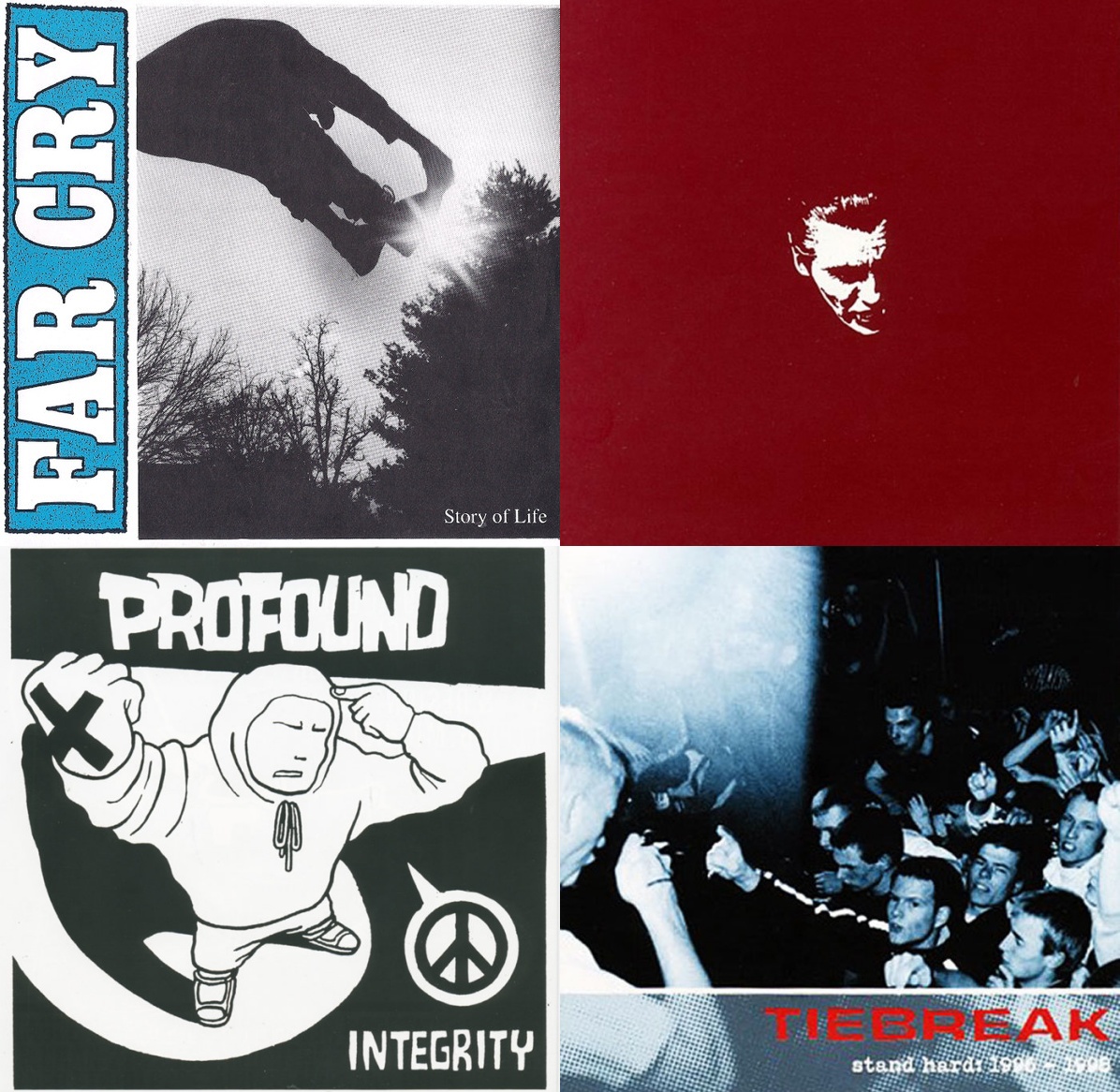
Belgium was developing its own straight edge scene around the same time. Rise Above, which included future Liar vocalist Hans Verbeke, formed in the late '80s and eventually became Nations on Fire. The latter band took the straight edge influence and combined it with an increasingly political outlook, becoming one of the more important early Belgian hardcore bands of the period.
Spirit of Youth emerged from the same general environment. Guitarist Dominiek Denolf told me in a 2025 No Echo interview that skateboarding introduced him to bands like Gorilla Biscuits, BOLD, Youth of Today, Minor Threat, and Cro-Mags in 1987, and he became vegetarian two years later. When Spirit of Youth started, bands like Insted, Wide Awake, No For An Answer, Turning Point, and especially Up Front were major influences.
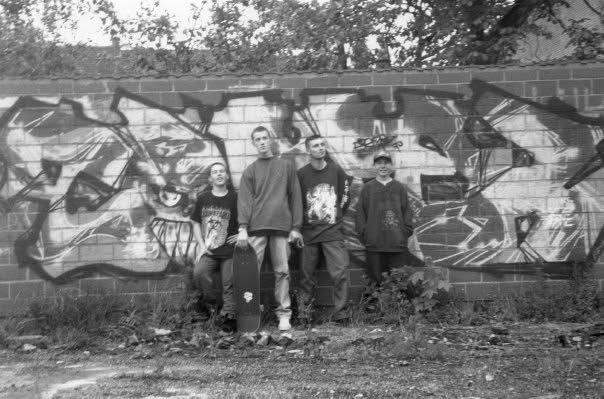
What stands out to me about this period is how quickly the connections between these scenes developed. Bands from Belgium, the Netherlands, and Germany weren't operating in isolation. They played together, traded records and tapes, wrote letters, booked each other's bands, and crossed borders for shows. Denolf remembered it as a "Holland-Belgium-Germany thing," with everyone essentially moving in the same direction.
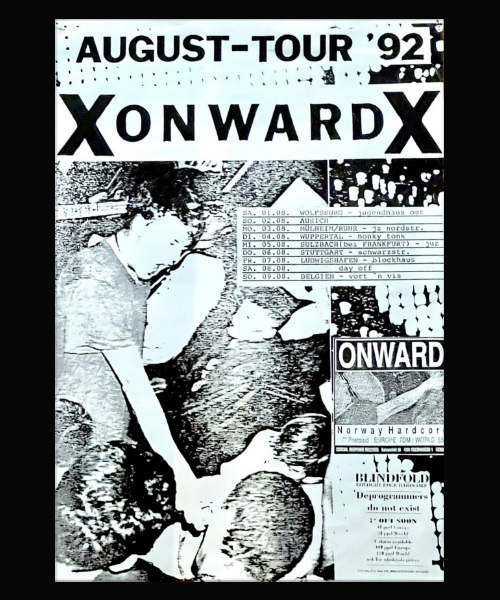
Crucial Response was right in the middle of that network. In 1992, the label released the Share Common Ground compilation, featuring six European bands and benefiting children disabled by war. That summer, Peter Hoeren and Michael Mueller organized a European tour for Norway's Onward and Belgium's Blindfold, followed shortly afterward by another run featuring ManLiftingBanner and Feeding the Fire. As Hoeren later put it, "Everything was set up by us, total D.I.Y."
That last part is worth emphasizing. By the early '90s, these scenes weren't being built by booking agencies, publicists, or companies hoping to cash in on hardcore. A relatively small group of people was writing letters, pressing records, making zines, putting on shows, and figuring out how to get a van full of kids from one country to the next.
I remember bands I knew back home in the New York City and Long Island area making it over to countries like Germany and Sweden on the strength of a couple of demos and 7-inches. Since I was playing shows myself by that point, seeing bands at that level make their way across Europe was both impressive and inspiring.
By the middle of the decade, European straight edge hardcore was growing quickly.
The Netherlands became one of the centers of a full-blown Youth Crew revival. After ManLiftingBanner broke up, guitarist Roland Roller wanted to return to the sound of early Revelation and Schism Records releases at a time when he felt hardcore was increasingly moving toward metal and emo. The result was Mainstrike, whose aptly titled Youth Crew '95 demo made their intentions pretty fucking obvious.
Mainstrike weren't alone. Roller later described the period to me in a 2020 No Echo interview as "the birth of a scene Europe had never seen before," with bands, zines, labels, and shows creating their own European Youth Crew network. Crucial Response was once again right in the middle of it, releasing Mainstrike's Times Still Here 7" and working with other bands that would help define this next wave.
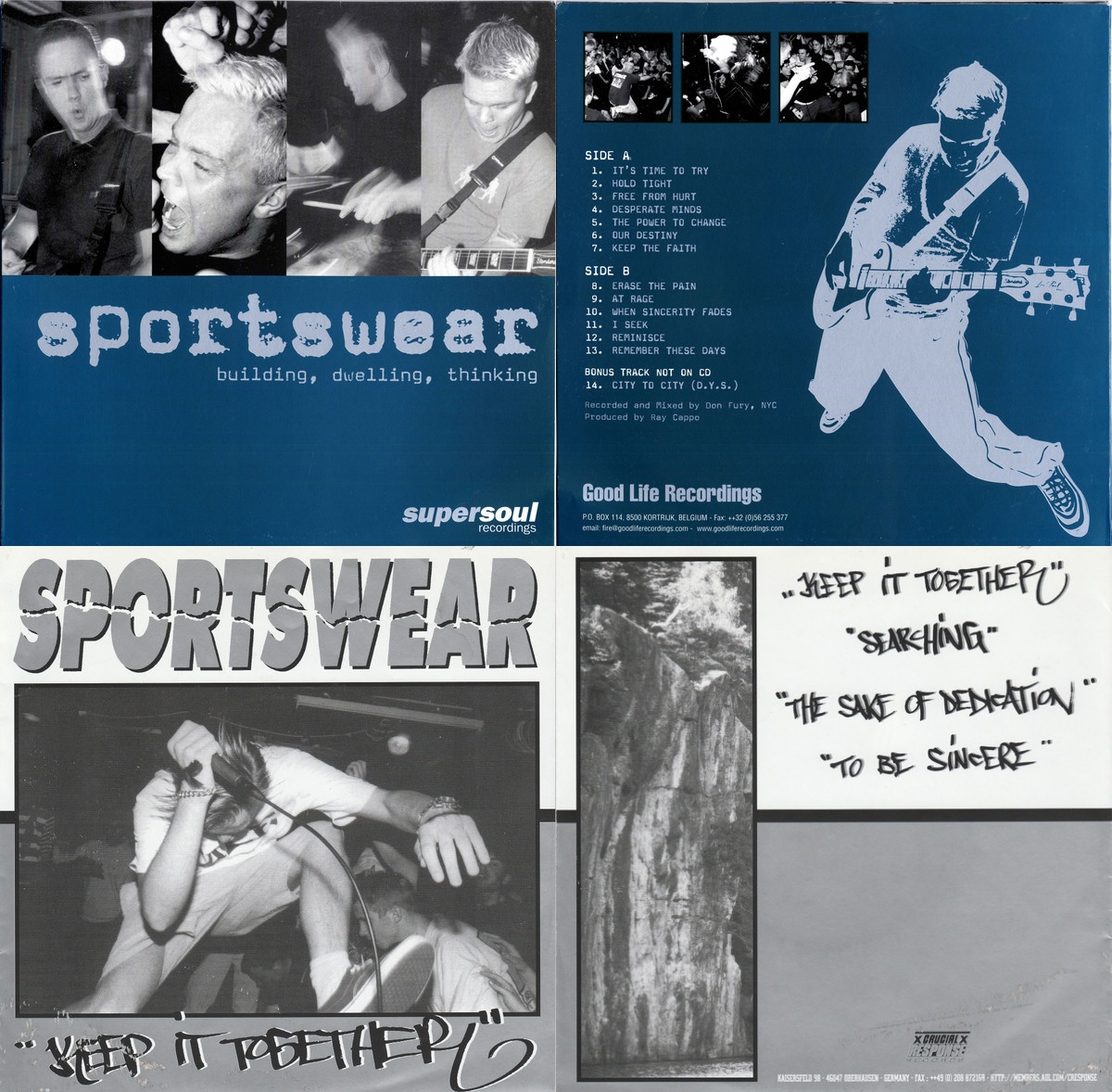
Norway was going through a similar resurgence. Onward, whose first 7" Crucial Response had released in 1992, reformed in 1995 and soon found themselves part of a new wave that included Sportswear. The latter wore their love of BOLD, Youth of Today, Judge, Insted, and other late-'80s American hardcore bands proudly, but they also helped give the growing Scandinavian straight edge scene an identity of its own.
Late Sportswear vocalist (and Onward guitarist) Peter Amdam remembered traveling regularly to Sweden and watching its hardcore scene explode during the second half of the decade. Shows that had once been relatively small were suddenly drawing hundreds of kids, and bands from Norway and Sweden were constantly crossing the border to play together.
Sportswear also had a connection to Youth of Today, with vocalist Ray Cappo releasing the band's Building, Dwelling, Thinking LP through his Supersoul Recordings label in the States.
Sweden, however, had already been building something of its own.
Umeå, a relatively small city in the northern part of the country, became one of the most active hardcore scenes in Europe during the '90s. Step Forward, featuring future Refused vocalist Dennis Lyxzén, were among the city's earliest straight edge bands, drawing heavily from Minor Threat, 7Seconds, Youth of Today, Insted, and Gorilla Biscuits.
By the early-to-mid '90s, bands like Refused, Abhinanda, Doughnuts, and Final Exit were helping put Umeå on the international hardcore map. The scene was also closely tied to vegetarianism, veganism, and animal rights activism, giving straight edge a political dimension that went beyond simply abstaining from drugs and alcohol.
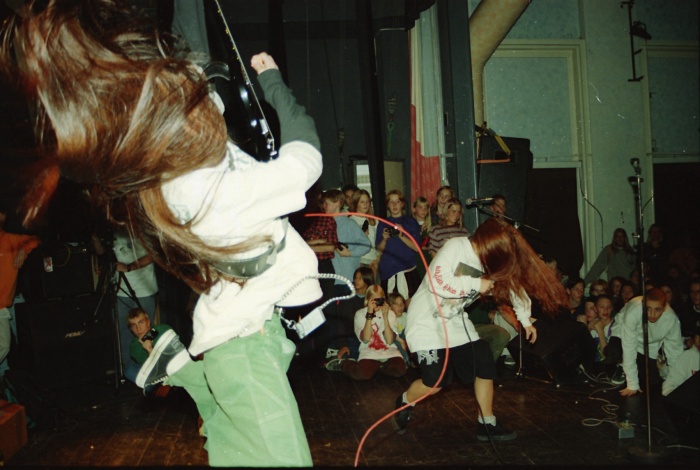
And those better-known names only tell part of the story. In an excellent piece he wrote for No Echo in 2020, Swedish musician, illustrator, and former fanzine maker Marc Strömberg highlighted some of the country's more overlooked '90s hardcore bands. Marc was at shows from the age of 11 (check out this playlist he made for the article), catching the scene as it unfolded.
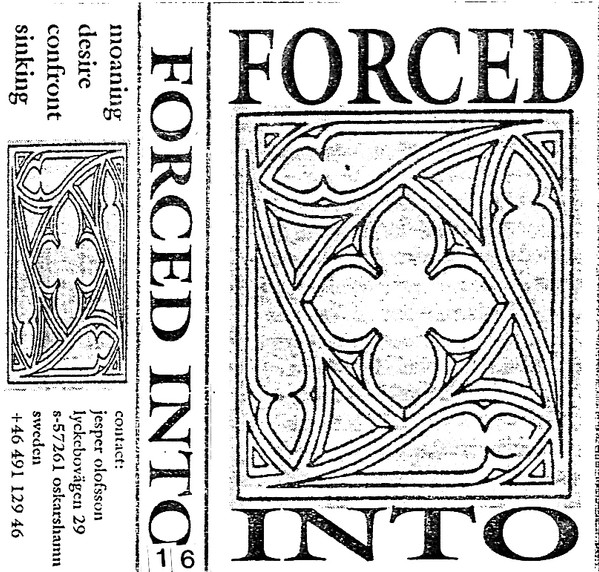
He pointed to groups like Eclipse and Bloodpath from Umeå, as well as Forced Into (this demo rules), Breach, Fireside, and Section 8 from other parts of Sweden. Eclipse, in particular, were already weaving black metal into their hardcore sound, and some of their members would later show up in Cult of Luna and DS-13.
Refused would eventually become the biggest international name associated with Umeå, but at the time, they were just one piece of a much larger Swedish hardcore movement that seemed to be producing new bands at a ridiculous rate.
As Youth Crew hardcore found new life across Europe, Belgium was heading in a heavier direction. Spirit of Youth started out drawing on Insted, Wide Awake, Turning Point, and Up Front, but their influences soon shifted. Cro-Mags, Only Living Witness, Mean Season, and other bands with a harder, more metallic edge had a massive impact on the young group and many of the hardcore kids coming up in Belgium during that era.
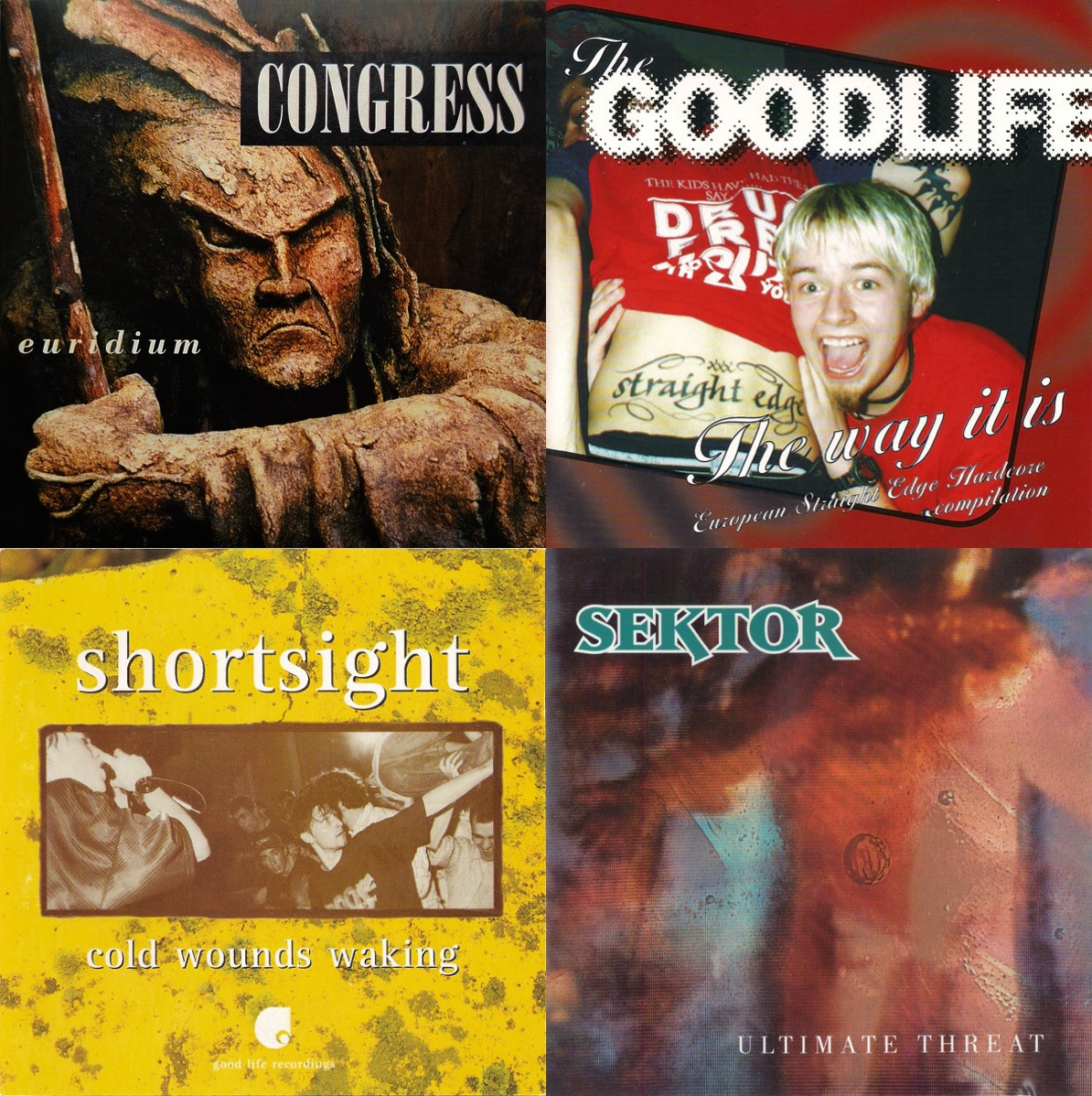
West Flanders was at the center of this shift. In 1995, Congress put out Blackened Persistence, a record that set the tone for the increasingly metallic sound associated with what would become known as the H8000 scene.
The name H8000 comes from the 8000 postal code in West Flanders, and the sound coming out of the region during that period stood apart from much of what was happening elsewhere in Europe. The term "edge metal" also started being used to describe some of the xXx bands playing this Slayer-kissed style of hardcore.
In a 2025 interview with Echoes and Dust, Congress guitarist Joost Noyelle credited Good Life's Edward Verhaeghe with coming up with the term. "We were pioneers. Nobody did it back then. We were the first band who mixed straight edge with extreme metal," he said of Congress, adding that he himself came up with the H8000 name.
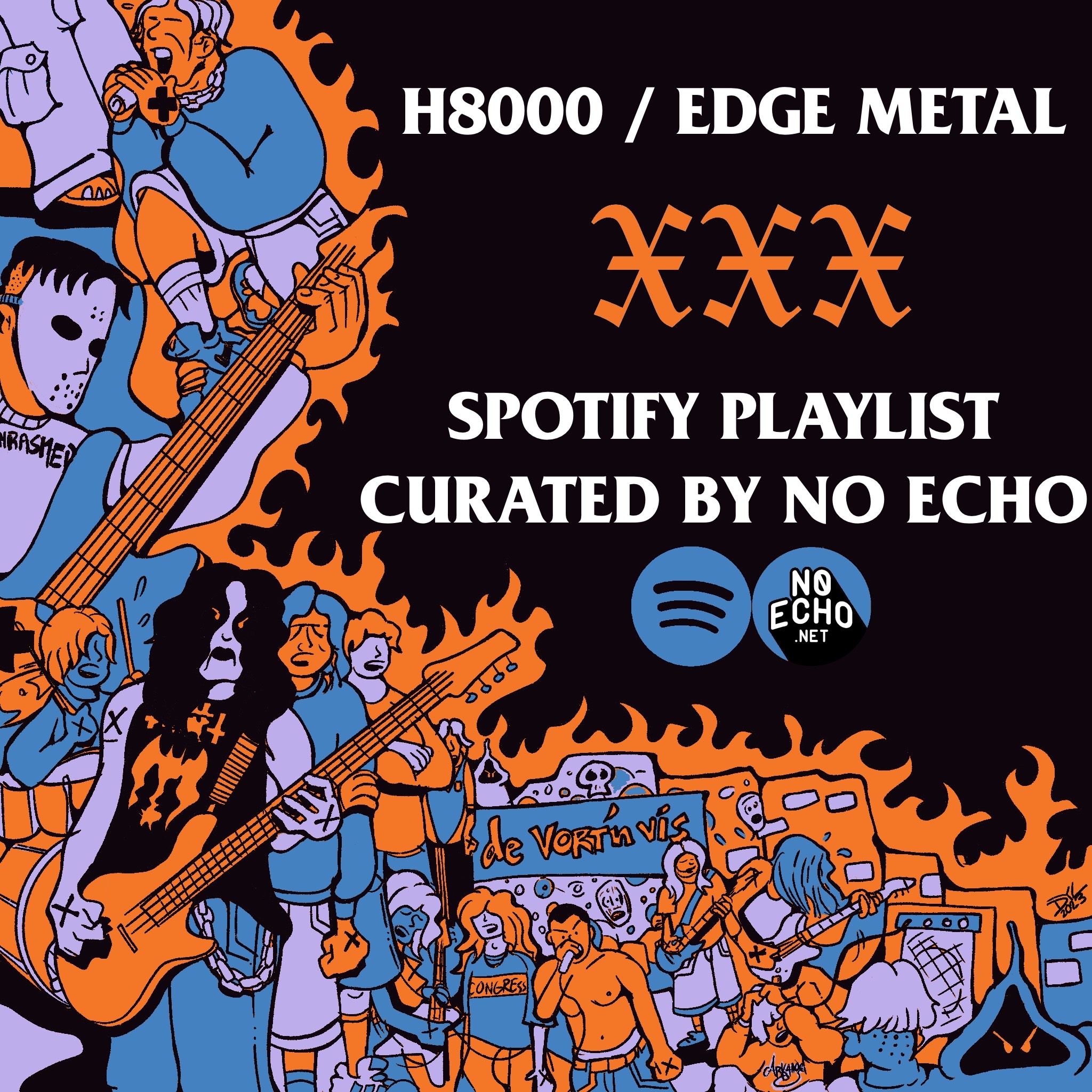
Congress weren't alone. Liar, featuring Hans Verbeke on vocals, became another pillar of H8000, while bands like Spirit of Youth, Shortsight, and Sektor showed there was more variety within the scene than its metallic reputation might suggest.
By the middle of the decade, the combination of straight edge, veganism, and increasingly heavy music had become closely associated with Belgium's H8000 scene.
The labels were crucial in getting those records outside Belgium. Verbeke's Sober Mind Records released music by Blindfold, Spirit of Youth, Sektor, and others, while Ed Verhaeghe's Good Life Recordings grew from a small bedroom operation into one of Europe's most important hardcore labels.
If you're a fellow hardcore and metal geek, I don't have to school you on the power of a well-curated comp. Good Life's The Way It Is: European Straight Edge Hardcore Compilation brought bands from Belgium and elsewhere on the continent into focus.
The metallic side of European straight edge wasn't limited to the H8000 bands. Elsewhere in Belgium, Arkangel took that crossover even further, combining hardcore with thrash and death metal influences on their 1998 Prayers Upon Deaf Ears EP. By that point, the term "edge metal" was increasingly useful for describing a strain of European hardcore that sounded worlds away from the Youth Crew revival happening only a few years earlier.
As much as I loved the straightforward hardcore of European bands like Mainstrike and Sportswear, I was even more intrigued by the pointy-neck guitar stylings of bands like Arkangel, Congress, and Length of Time. There was plenty of metallic hardcore happening in the States by then, but something about the European version sounded different to me. The guitars were darker, the metal influence was often more pronounced, and bands weren't shy about bringing thrash and death metal into the equation.
By the time Arkangel released Prayers Upon Deaf Ears and Length of Time put out Approach to the New World in the late '90s, the distance between traditional Youth Crew hardcore and this new breed of European straight edge was undeniable. And Europe still wasn't finished messing with the formula. By the second half of the '90s, straight edge had become increasingly intertwined with veganism and animal rights, giving many of these bands another shared identity that went beyond the X's on their hands.
Meanwhile, the Youth Crew revival was starting to create its own backlash. When Germany's True Blue formed in 1997, vocalist Patrick Kitzel, who later founded Reaper Records and Tribal Publishing, and guitarist René Natzel were already frustrated with what parts of the scene had become.
When I spoke with Kitzel for No Echo in 2018, he recalled watching a revival they initially loved turn into what they saw as an elitist club, where having the right sneakers, rare records, and old shirts seemed to matter more than the substance behind it.
True Blue were formed partly as a reaction to that mentality. Even their decision to press their first 7" exclusively on black vinyl was a deliberate shot at hardcore's growing obsession with collecting every color variation.
Regardless of the lack of splattered vinyl options or whatever else hardcore folks find to complain about, I love(d) True Blue. They scratched that Best Wishes-era itch I've always been a complete mark for.
Speaking of True Blue, members of that band also played in a few other German straight edge outfits that kick all kinds of ass, including Spawn, Damage Control, and Eyeball.
I was never straight edge, so my interest in all of this came from a deep love for the music and culture surrounding hardcore. Are there people more qualified to write this piece? Absolutely. But fuck it, it's my website.
From my side of the Atlantic in the '90s, there always seemed to be another European band, record, or label to discover. I hope that you enjoyed this quick ride through some of the straight edge-minded history behind it.
I'll leave you with a vintage Sektor live set filmed at Vort'n Vis, a venue in Belgium that was vital to the European hardcore scene in the '90s. If you want to nerd out more on this stuff, the Vort'n Vis website is a goldmine,
Rest in peace, Peter Amdam.
***
Recommened books for more '90s European straight edge information:
- We Could Not Do Any Better: A History of European Straight Edge - an excellent book on the era told in oral history form.
- RÅPUNK, The Birth of Swedish Hardcore - not only an insightful read, it also looks beautiful.
- STRAIGHT EDGE: A Clear-Headed Hardcore Punk History - though not strictly Euro-focused, any hardcore-related book penned by Tony Rettman is worth your time and money.

Tagged: arkangel, h8000, mainstrike, sektor, sportswear, true blue