The first Christian heavy band I remember knowing about was Stryper.
I grew up in the '80s, when Satanic Panic was a thing, Judas Priest were accused of driving teens to suicide, and heavy metal drew the ire of conservatives and liberals at the highest levels of the U.S. government before hip-hop eventually inherited that distinction. Even within that wild context, Stryper stood out. The yellow-and-black outfits, the MTV airplay, the Bibles tossed into the crowd, and, above all, their open Christianity made them impossible to ignore.
Some of my friends had strict religious parents who allowed them to listen to Stryper even though many other metal bands were off-limits. By my early teens, I already knew I had no stomach for religion in my own life, but I was intrigued by the idea of a Christian version of heavy music. It felt bizarre, quite frankly.
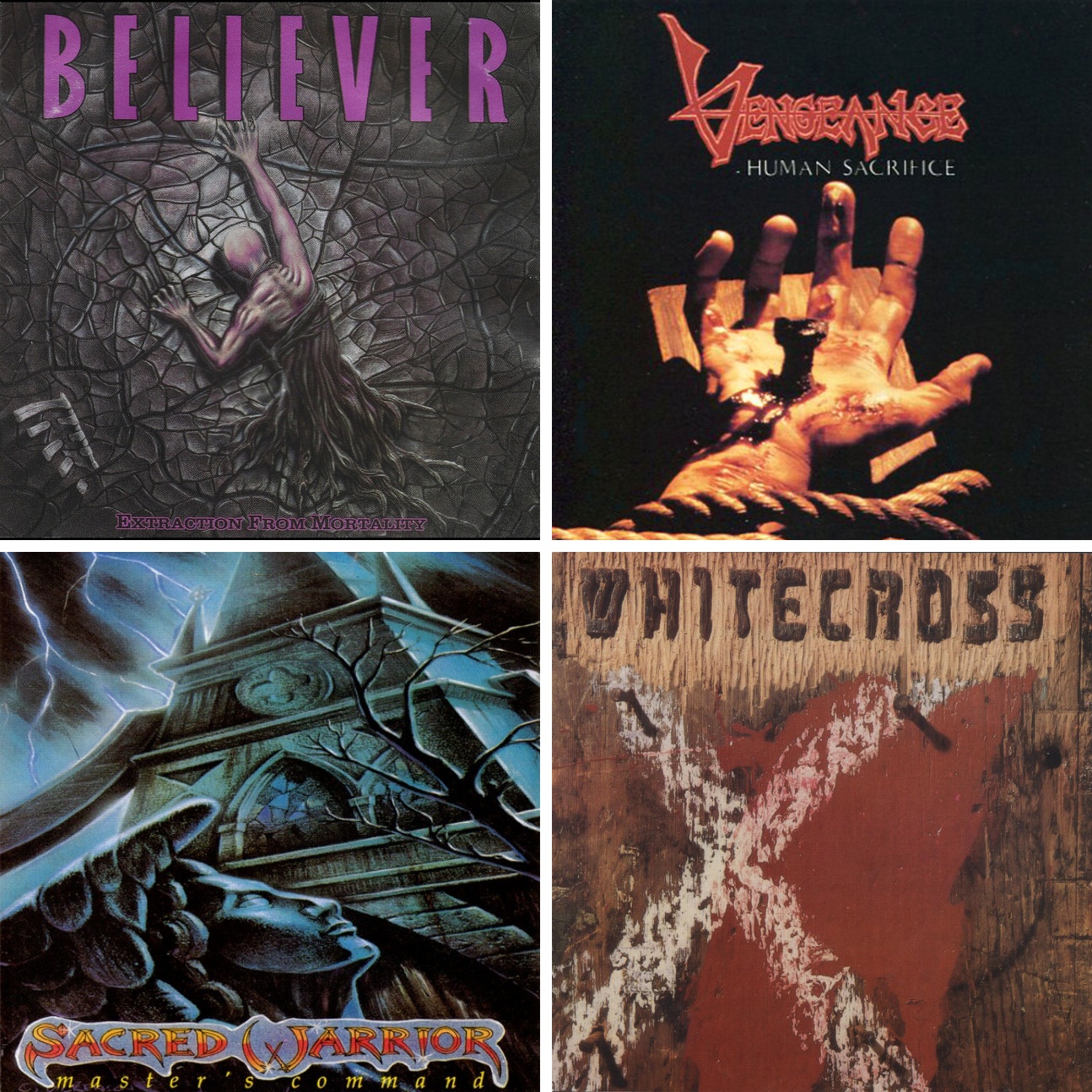
I also found the carbon-copy effect that existed within the Christian heavy metal scene fascinating, even early on: Love Ratt? Well, meet Whitecross! Fancy Queensrÿche? Sacred Warrior has you covered.
By the late '80s and early '90s, I discovered bands like Believer, The Crucified, Vengeance Rising, Living Sacrifice, and Mortification. Dedicated Christian labels and Christian record stores existed, and my friend's hometown of Great Neck, Long Island, even had a diner with a newsstand that sold Heaven's Metal. The publication started as a photocopied zine in 1985 and grew into a nationally distributed magazine, giving a platform to a heavy music scene that largely existed outside the regular metal press. And yes, even as an atheist, I combed through the issues to learn about bands. Did I catch shit from my friends for it? Hell yes (pun intended).
By that point, Stryper had reached arena-level touring in the States, but I don't remember any other Christian hard rock or metal band reaching those commercial heights in the late '80s or early '90s.
The whole thing fascinated me, and then Christian Hardcore happened.
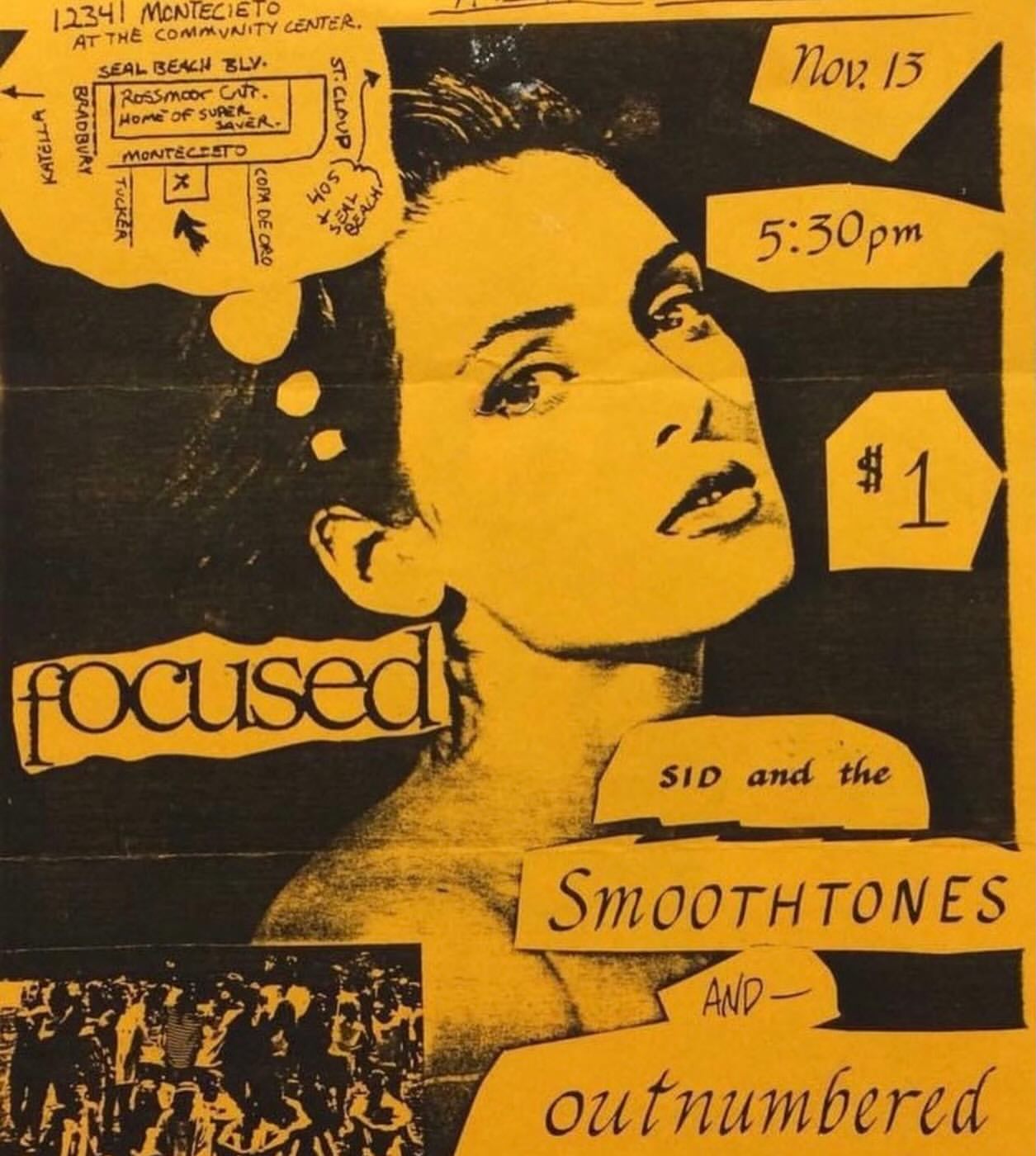
By the early '90s, hardcore itself was changing. Metal had become increasingly intertwined with the genre, and bands were taking hardcore in heavier and more technically ambitious directions. At the same time, a distinctly Christian hardcore movement was developing, with bands like Strongarm, Focused, Unashamed, Overcome, Six Feet Deep, Focal Point, and No Innocent Victim among those helping establish it.
Some people called it Spirit-Filled Hardcore. But weren't Ray Cappo's lyrics in Youth of Today filled with “spirit,” too? And what about those early 7Seconds records? I digress.
Tooth & Nail Records became particularly important to this new ecosystem. The label would eventually become a bridge between Christian music and underground subculture, providing a home for pop-punk, hardcore, alternative, and other bands that didn't necessarily resemble what most people thought of when they heard the words "Christian music."
Focused formed in Southern California in the early '90s, while Unashamed, Overcome, and Strongarm emerged around the same period. Strongarm came together in South Florida after vocalist Jason Berggren's band Ikthus evolved into the group. Guitarist Nick Dominguez joined after his own band Endure broke up, and the members drew heavily from bands like Burn and Inside Out.
Strongarm's connection to Tooth & Nail came through Focused. The band recorded the four-song These Times That Try Men's Souls demo in 1993 and handed it to Tooth & Nail founder Brandon Ebel at Cornerstone Festival the following year.
I remember picking up Strongarm's 1995 debut, Atonement, after reading a review that compared them to Burn. I had no idea that years later I would become friends with the band's original guitarist, Nick Dominguez, or that our musical paths would eventually cross. My band at the time, Lakota, signed with Pop Up Records, a label Nick co-founded, and released an album through them in 2005. Lakota even toured with his band Further Seems Forever—who, coincidentally, were also signed to Tooth & Nail and featured Jon Bunch (Sense Field, Reason to Believe) on vocals at that point—in the mid-'00s.
When I interviewed Nick for No Echo in 2020, I asked whether Strongarm's heavier sonic approach had ever caused problems within Christian circles.
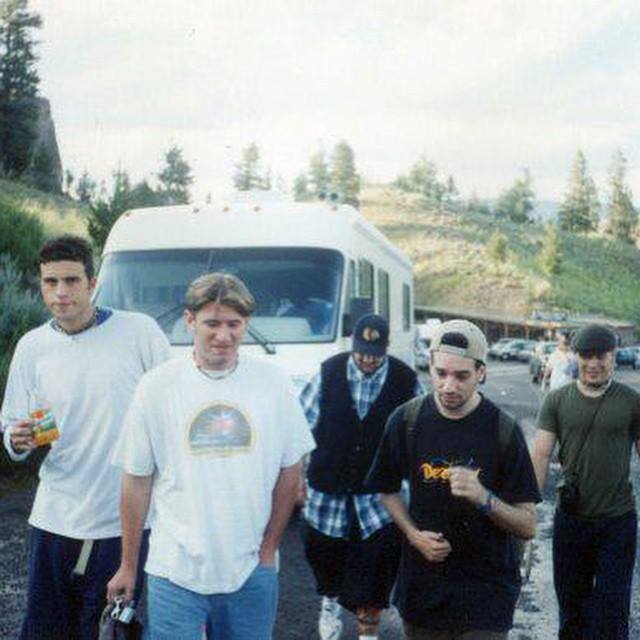
“We weren't super plugged into the Christian music scene, to be honest,” the former Strongarm guitarist told me. “We did get a lot flack from hardcore kids at shows about our beliefs and some of what we would say on stage.”
Hardcore has never had a single political ideology, but questioning authority is embedded in its DNA. Organized Christianity, especially the conservative evangelical kind surrounding much of American Christian music, was anathema to most hardcore kids, particularly those who favored the Bulldoze and Neglect variety.
So imagine walking into that environment and singing about Jesus. Christian hardcore bands could look like every other hardcore band, sound like every other hardcore band, play alongside them, and have kids moshing to them. Then the singer started talking about God, and the temperature in the room could change very quickly. I saw it happen myself at a couple of shows back in the '90s.
Christian musicians occupied a strange space. They could be too abrasive for the Christian world and too religious for punk and hardcore. Strongarm's experience demonstrates that the friction didn't necessarily come from where you might expect. At the same time, the band wasn't operating exclusively within some isolated Christian circuit. Strongarm toured and played with bands like Shai Hulud, while Dominguez also remembers sharing stages with fellow Christian hardcore bands Overcome, Focused, and Six Feet Deep.
That outsider status helped create something else: an infrastructure of their own.
As Christian punk, hardcore, and metal grew throughout the '90s, so did the network surrounding them. Rescue Records and Tooth & Nail were among the early labels, with Facedown Records arriving later in the decade. Much of it was recognizably DIY: mail-order catalogs, bedroom operations, small labels, records sold at shows, and people building networks themselves rather than waiting for the established music industry to do it for them.
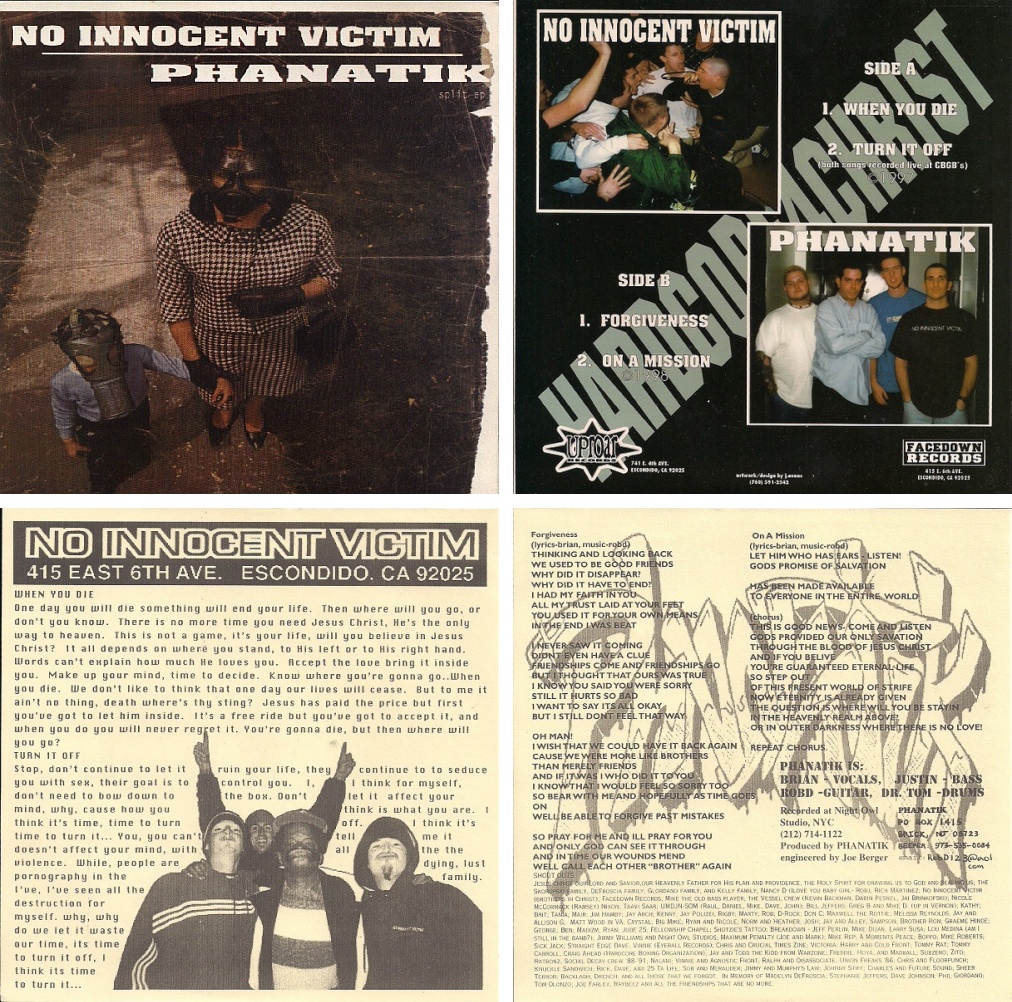
Facedown's origin story could have happened in virtually any secular hardcore scene. Jason Dunn joined No Innocent Victim as drummer when he was 17. He started a distro in 1995, initially carrying records while touring with the band. Dunn called it Facedown Distribution and eventually built a mailing list numbering in the thousands, sending out catalogs and filling orders from his parents' backyard shed. Facedown Records officially began in 1997, and its first release arrived the following year with a split featuring No Innocent Victim and Phanatik.
Over time, a more organized network formed around bands whose faith made them difficult to place in either the secular underground or the traditional Christian music industry. Christian hardcore had labels, magazines, festivals, promoters, stores, and kids willing to travel considerable distances to see these bands. I could relate to that last part, since I still lived in New York City in the '90s and had to travel to see Integrity (thanks, Ezec!). Christian hardcore had become its own ecosystem.
But the walls between that ecosystem and the rest of hardcore were never impenetrable. Christian and secular bands shared stages, and plenty of kids went to shows without giving much thought to which side of the religious divide a band supposedly occupied. For many listeners, it was just hardcore. That was certainly the case for me.
By the second half of the '90s, drawing a clean line between hardcore, metalcore, and Christian metal became increasingly difficult. Bands like Zao, Embodyment, Spitfire, xDISCIPLEx A.D., Point of Recognition, and Nodes of Ranvier pushed things into heavier territory, while No Innocent Victim continued carrying the more traditional hardcore side of the scene forward.
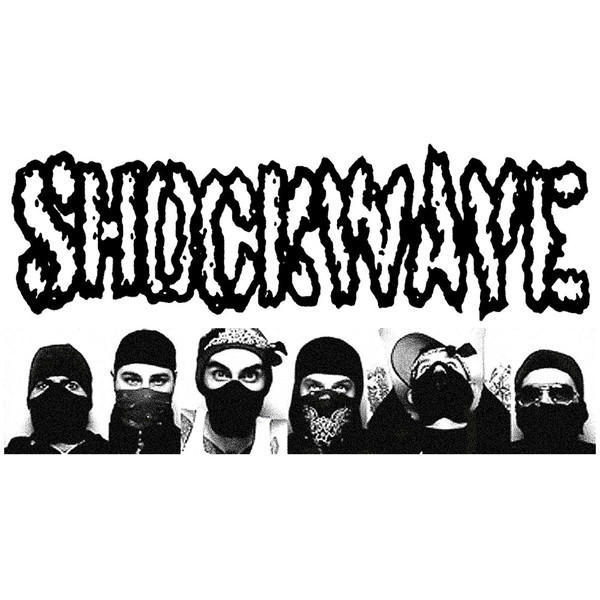
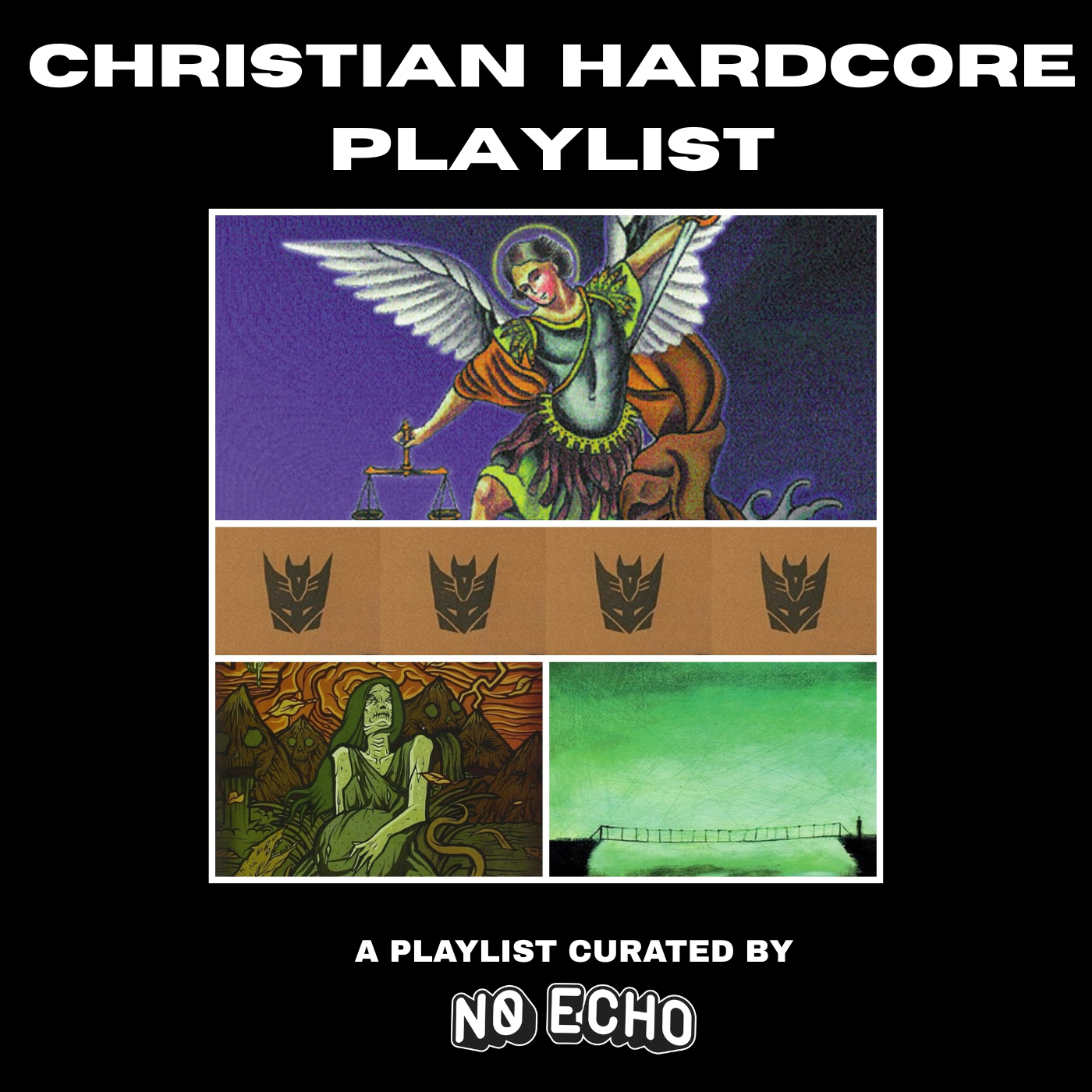
There were also bands that didn't fit neatly into any single category. Pennsylvania's Shockwave, for example, combined metallic hardcore with an elaborate Transformers concept.
Featuring members of bands like No Innocent Victim, xDISCIPLEx A.D., and Neverfall, Shockwave released the Dominicon EP in 1999, and I fucking love that record. Apparently, being a Christian hardcore band didn't mean every song had to function as a sermon.
Embodyment's evolution was even harder to categorize. The Dallas-Fort Worth band released its debut album, Embrace the Eternal, through Solid State Records in 1998, delivering a mix of death metal and metalcore before gradually moving toward a more melodic sound on subsequent records.
In a 2025 No Echo feature, writer Justin T. Perkins recalled discovering Embodyment as a teenager in the early 2000s. After spotting a flyer at the mall, he went home, searched for the band on Kazaa, downloaded “Prelude,” and eventually found his way to a packed show at a venue called The Gate. He bought Embrace the Eternal and its 2000 follow-up, The Narrow Scope of Things, that night and was surprised by just how heavy the band's earlier material had been.
Perkins' experience is a good example of how these bands could reach listeners who weren't necessarily looking for Christian music. He discovered Embodyment the way countless kids discovered underground bands at the time: a flyer, a downloaded song, a friend with a car, a crowded show, and eventually a stack of CDs and merch.

He soon learned that Embodyment was signed to Tooth & Nail subsidiary Solid State, home to bands like Norma Jean and Living Sacrifice. A copy of the This Is Solid State: Vol. One compilation revealed even more connections, with Embodyment appearing alongside Zao and other bands associated with the label.
What makes Perkins' story especially relevant here is what stands out in his memories of the band. More than two decades later, his recollections of Embodyment are about friendships, shows, discovering records, and the girlfriend who borrowed his Embodyment hoodie and eventually became his wife.
I couldn't write this article without singling out Living Sacrifice and their evolution within the Christian heavy music scene. The Arkansas band released its self-titled debut LP through R.E.X. Records in 1991 and moving through thrash and death metal before developing an increasingly hardcore-informed sound. Talk to most Christian hardcore and metal fans around my age, and chances are they'll have some kind of Living Sacrifice story to tell.
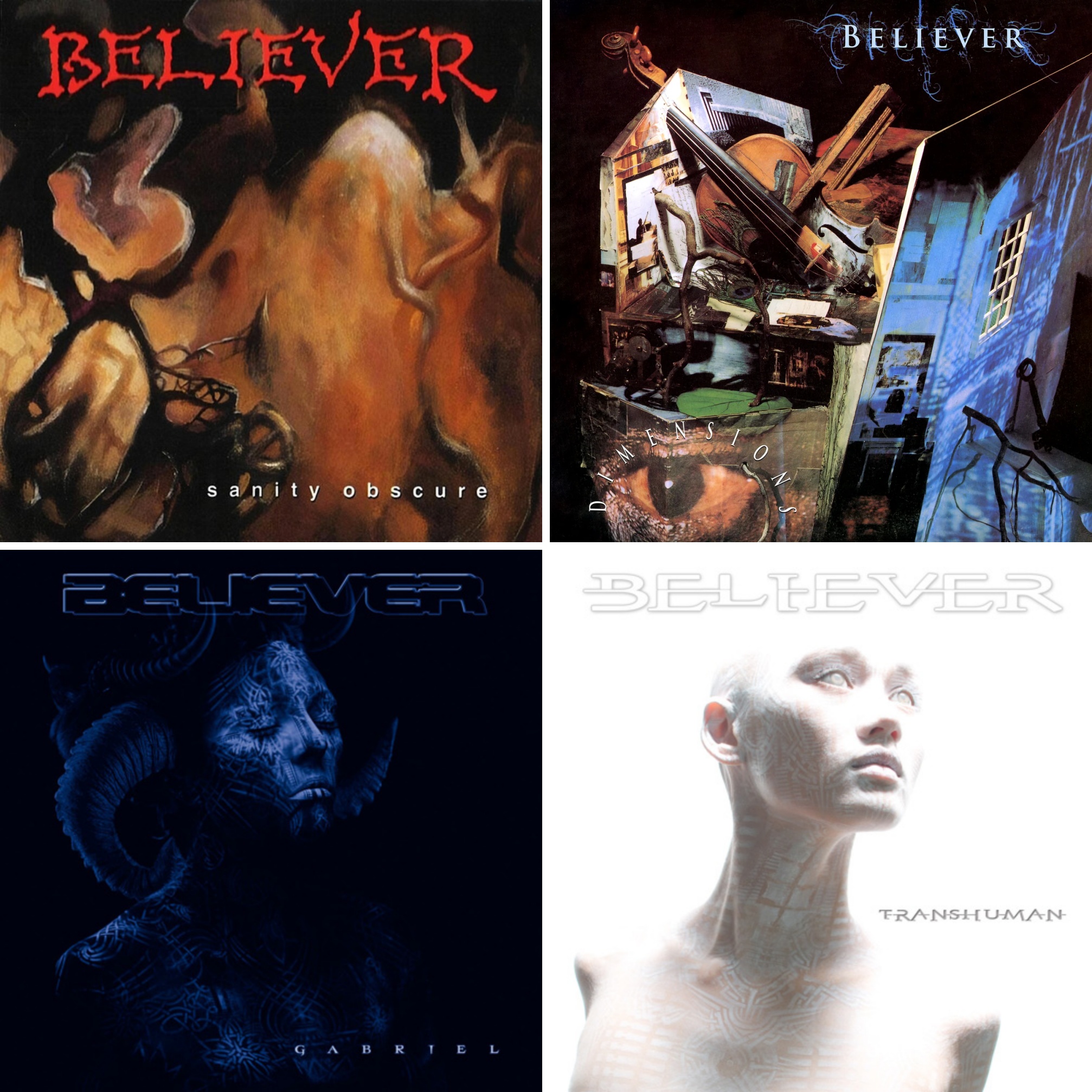
R.E.X. itself was another crucial piece of the earlier infrastructure. The label released music by Believer, Living Sacrifice, and Six Feet Deep, among others. Believer's relationship with the secular metal world was particularly interesting.
After releasing Extraction from Mortality through R.E.X. in 1989, the Pennsylvania thrash band went on to stints with two metal powerhouses: Roadrunner Records and Metal Blade. Those cosigns gave Believer added credibility within the broader metal world and a pathway to a much larger audience. I would be remiss not to mention that Jim Winters—guitar wizard who has played in hardcore bands like Conviction, Turmoil, Earth Crisis, and The Promise—was also a member of Believer for a spell in the early '90s.
As the '90s came to an end, the distinction between the Christian and secular heavy music worlds was becoming less rigid. A band could emerge from the Christian underground and find an audience well beyond it. Playing hook-heavy pop-punk certainly didn't hurt. Just ask MxPx.
Eventually, Christian heavy music stopped feeling like a curious parallel universe.
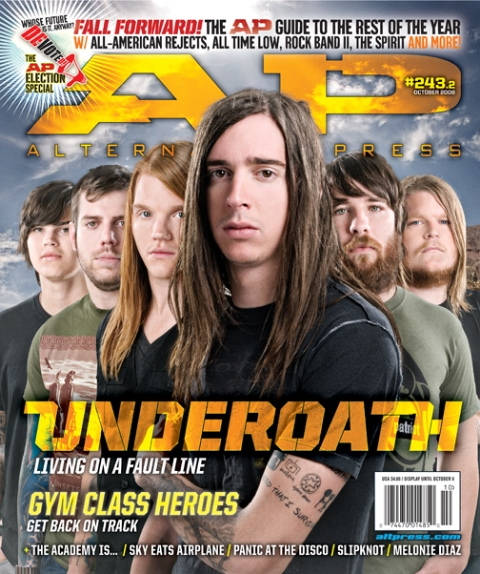
By the 2000s, the metalcore side of Christian heavy music had taken over, from Orange County, California, to Orange County, Florida. Underoath and Norma Jean became two of its most visible bands, while Zao continued exerting an enormous influence on the heavier end of the genre. The Chariot, As I Lay Dying, August Burns Red, The Devil Wears Prada, Demon Hunter, War of Ages, and others reached audiences far beyond the Christian market.
On the hardcore side, bands like xDEATHSTARx, Bloodlined Calligraphy, and later Advent maintained a much more direct connection to the scene.
These weren't simply Christian-market alternatives to more successful secular bands. Several became some of the biggest names in heavy music, period. It was an extraordinary change from the world I'd discovered through Stryper and Heaven's Metal magazine. For years, Christian heavy music had developed its own infrastructure, in part because many of these bands didn't fit comfortably anywhere else.
Now some of them were selling hundreds of thousands of records, playing major tours, and influencing bands that had no connection to Christianity at all. Labels like Tooth & Nail and its heavier Solid State imprint became increasingly important during this period, while Facedown developed its own recognizable identity around hardcore and metalcore.
Christian metalcore had crossed over, but something else was happening at the same time. The idea of what constituted a “Christian band” was becoming more complicated.
August Burns Red guitarist JB Brubaker once made the distinction succinctly: “Christianity is a religion, not a style of music.” The band eventually made clear that it didn't want to operate as an evangelical band, even while faith remained important to individual members.
Other musicians went much further. Members changed beliefs, some left Christianity entirely, and others remained Christian but no longer wanted their bands marketed that way.
Of course, hardcore being hardcore, people kept tabs on all of this. The straight edge scene has always had the eternal question, “Is ____ from _____ still edge?” Christian hardcore had its own version: “Does he still testify?” Had someone stopped talking about God onstage? Did a lyric suggest a change in beliefs? Was the band still Christian if only some of its members were? Yes, hardcore fans love their gossip.
In terms of Christian Hardcore today, newer bands are carrying it forward, although without many of the rigid boundaries that once surrounded it.
When I featured Indonesia's Sacrify on No Echo in 2025, guitarist Jonah told me that he and vocalist Yobel discovered the "spirit-filled/Christcore" side of hardcore through bands like No Innocent Victim, Strongarm, Focal Point, Focused, early Zao, Underoath, and Norma Jean. That lineage eventually inspired them to start a spirit-filled band of their own.
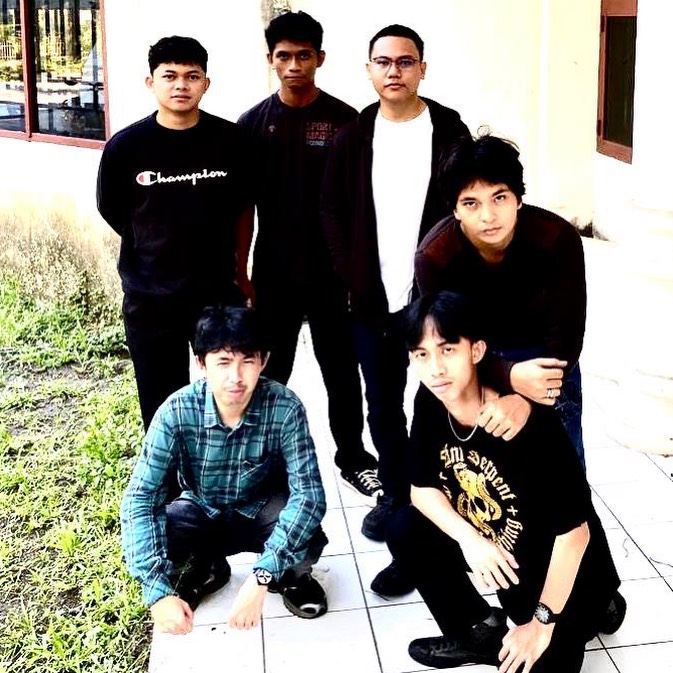
Elsewhere, Found Guilty openly identifies as "Spirit-Filled Hardcore," Amor De Dios has embraced the Christcore label, and Meadows continues the tradition on Facedown Records. Riverside, California's xDoulosx has also been open about its faith while stressing that the band isn't interested in forcing it on anyone.
Formed in Orange County, California in 2024, Dear Adversary might best illustrate how much the definition has loosened:
"We're also a faith-based band, though not all our members are faith-based, nor required to be," Dear Adversary vocalist Shear Dalton told No Echo in 2025.
Christian hardcore spent years building its own world because it didn't completely belong in either of the worlds surrounding it. Then it became successful enough that it no longer needed its own world.
And somewhere along the way, even atheists like me listened along.
***
In addition to No Echo's own interviews and features, I consulted a number of outside sources while researching this article, including Heaven's Metal/HM archives and articles published by Unwinnable, Plough, and other publications documenting the history of Christian Hardcore and heavy music.
Tagged: believer, embodyment, strongarm, zao